Imagine visiting a hospital where every oncology ward is full, waiting rooms are overflowing, and doctors are struggling to keep up with new cancer diagnoses every day. While this may sound like a scene from the distant future, global health experts warn it could become reality if current trends continue.
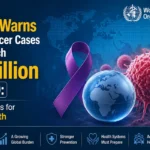
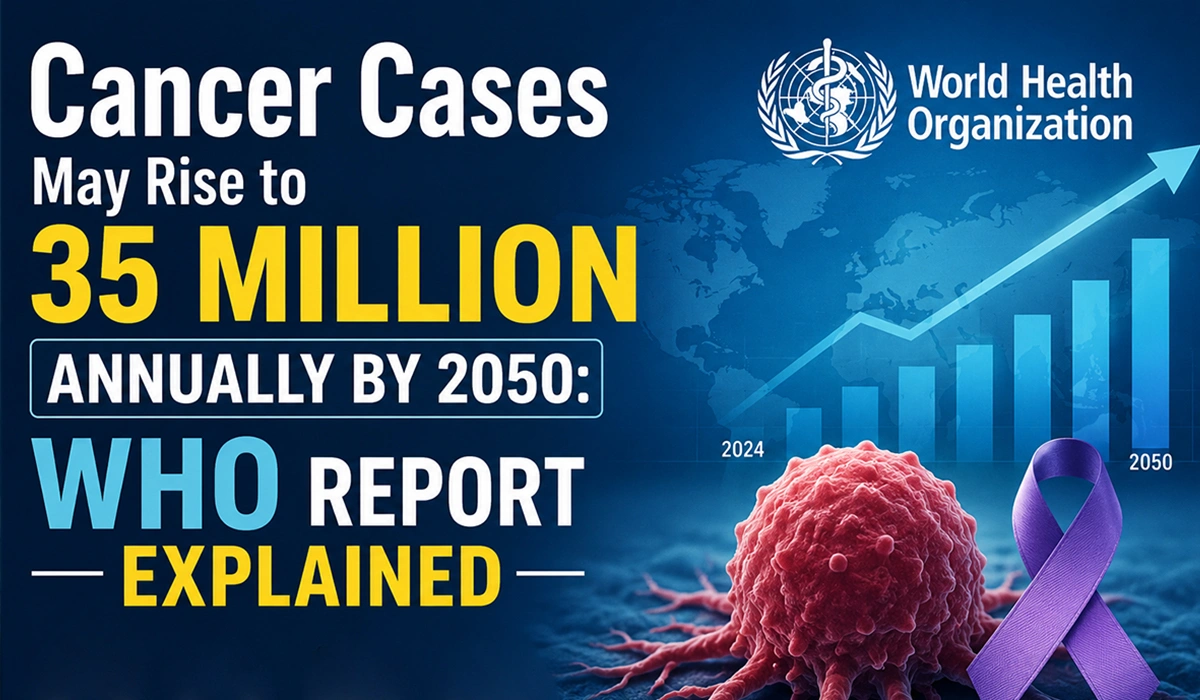
The World Health Organization (WHO), through the International Agency for Research on Cancer (IARC), has projected that the world could witness more than 35 million new cancer cases every year by 2050. That represents a staggering increase from approximately 20 million new cancer cases reported in 2022, highlighting one of the most significant public health challenges of the coming decades.
For countries like India, where rapid urbanization, an aging population, lifestyle changes, and environmental factors are reshaping healthcare needs, this prediction is particularly important. Cancer is no longer considered a disease affecting only older adults or developed nations. It is increasingly impacting younger populations and low- and middle-income countries.
Understanding why cancer cases are expected to rise—and more importantly, what individuals, healthcare providers, and governments can do about it—is essential.
Why does WHO predict cancer cases will reach 35 million annually by 2050?
According to the WHO’s International Agency for Research on Cancer (IARC), global cancer cases are expected to rise primarily because of population growth, increased life expectancy, aging populations, tobacco use, obesity, unhealthy diets, alcohol consumption, environmental pollution, physical inactivity, and unequal access to cancer prevention and early diagnosis.
What Does the WHO Report Actually Say?
The WHO’s International Agency for Research on Cancer analyzed cancer incidence across nearly every country and found that cancer cases are increasing at an unprecedented rate.
Key Findings
| Statistic | Value |
|---|---|
| New cancer cases (2022) | Around 20 million |
| Projected annual cases (2050) | More than 35 million |
| Expected increase | Approximately 77% |
| Global cancer deaths (2022) | Nearly 10 million |
| Countries most affected | Low- and middle-income nations |
The report emphasizes that while medical technology continues to improve, the number of people developing cancer is increasing faster than healthcare systems can expand.
Why Are Cancer Cases Increasing Worldwide?
Cancer is not caused by a single factor. Instead, it develops through a combination of biological, environmental, and lifestyle influences.
Several global trends are contributing to this projected increase.
1. Aging Population
Cancer risk increases with age because genetic mutations accumulate over time.
Today, people are living longer than ever before. As life expectancy rises, more individuals reach ages where cancer becomes more common.
2. Population Growth
The world’s population continues to grow rapidly.
Even if cancer rates remained unchanged, simply having more people would naturally result in more cancer diagnoses each year.
3. Tobacco Use
Smoking remains one of the leading preventable causes of cancer.
Tobacco is strongly associated with cancers of the:
- Lung
- Mouth
- Throat
- Esophagus
- Bladder
- Pancreas
- Kidney
Millions of preventable cancer cases continue to occur due to smoking and smokeless tobacco use.
4. Obesity
Being overweight increases the risk of multiple cancers.
Research has linked obesity to cancers affecting:
- Breast
- Colon
- Endometrium
- Liver
- Kidney
- Pancreas
Modern sedentary lifestyles and processed foods are major contributors.
5. Poor Diet
A diet high in processed foods, sugary beverages, excessive salt, and unhealthy fats while lacking fruits, vegetables, and fiber may increase cancer risk over time.
Healthy eating patterns remain one of the simplest preventive strategies.
6. Alcohol Consumption
Alcohol has been linked with increased risks of several cancers, including those affecting the liver, breast, mouth, throat, and digestive system.
Even moderate drinking contributes to overall cancer risk.
7. Physical Inactivity
Modern lifestyles involve long hours sitting at desks, commuting, and reduced physical activity.
Regular exercise helps maintain healthy body weight and may lower the risk of several cancers.
8. Environmental Pollution
Air pollution, industrial chemicals, workplace exposures, and certain environmental toxins continue to contribute to cancer risk globally.
Rapid industrialization in many developing countries has increased exposure to these risk factors.
Why Is India Facing a Growing Cancer Burden?
India is experiencing one of the fastest increases in cancer cases worldwide.
Several factors contribute to this trend:
- Larger aging population
- Increased life expectancy
- Urban lifestyles
- Tobacco consumption
- Air pollution
- Dietary changes
- Rising obesity
- Better cancer detection
Healthcare experts expect India’s cancer burden to continue growing over the next two decades, making prevention and early detection more important than ever.
Most Common Types of Cancer in India
While cancer patterns differ globally, several cancers remain particularly common in India.
| Men | Women |
|---|---|
| Oral Cancer | Breast Cancer |
| Lung Cancer | Cervical Cancer |
| Esophageal Cancer | Ovarian Cancer |
| Stomach Cancer | Colorectal Cancer |
| Liver Cancer | Thyroid Cancer |
Many of these cancers are preventable or more treatable when detected early.
How Lifestyle Is Changing Cancer Risk
The shift from traditional lifestyles to more urban living has introduced several health challenges.
Common modern habits include:
- Processed foods
- Low physical activity
- Increased screen time
- Chronic stress
- Poor sleep
- Tobacco use
- Alcohol consumption
While none of these guarantee cancer, together they increase long-term risk.
Public health experts emphasize that healthier daily habits can significantly reduce future disease burden.
Can Cancer Be Prevented?
Not every cancer can be prevented. Genetics, aging, and random cellular mutations also play important roles.
However, experts estimate that 30–50% of cancer cases may be preventable through healthier lifestyles and public health measures.
Practical prevention strategies include:
- Avoid tobacco in all forms.
- Limit alcohol consumption.
- Maintain a healthy body weight.
- Stay physically active.
- Eat a balanced diet rich in fruits and vegetables.
- Protect your skin from excessive sun exposure.
- Get recommended vaccinations, such as HPV and Hepatitis B.
- Participate in regular cancer screening programs.
- Seek medical advice for persistent symptoms.
Prevention remains one of the most effective and cost-efficient approaches to reducing the future cancer burden.