Introduction
Imagine walking into a hospital in 2050 where cancer clinics are overflowing with patients waiting for diagnosis and treatment. Doctors are working around the clock, healthcare systems are stretched beyond capacity, and families are struggling with emotional and financial burdens.
This scenario may become reality if the world fails to strengthen cancer prevention and early detection.
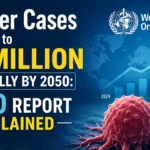
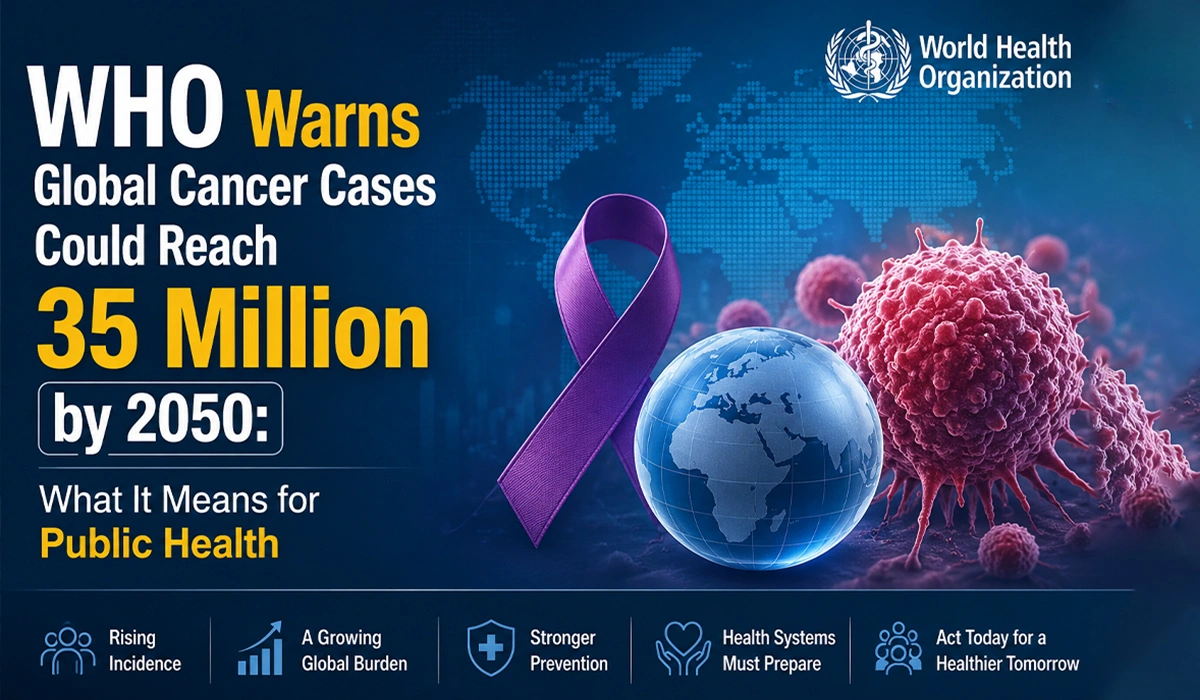
According to the World Health Organization (WHO) and the International Agency for Research on Cancer (IARC), global cancer cases are projected to increase to more than 35 million new cases annually by 2050, representing a dramatic rise from current levels. The increase is driven by population growth, aging, lifestyle changes, environmental risk factors, and unequal healthcare access.
For countries like India, where cancer incidence continues to rise alongside rapid urbanization and changing lifestyles, this warning highlights an urgent need for stronger public health policies, preventive healthcare, early screening, and improved awareness.
This article explores what the WHO projection means, why cancer cases are increasing, how it could affect India and the world, and what individuals, healthcare providers, and governments can do to reduce the future burden.
What does WHO’s warning about 35 million global cancer cases by 2050 mean?
The WHO estimates that new cancer cases worldwide could rise to over 35 million annually by 2050. This increase reflects aging populations, population growth, tobacco use, obesity, unhealthy diets, pollution, alcohol consumption, infections, and healthcare inequalities. Strengthening prevention, early diagnosis, and treatment can significantly reduce the impact.
Understanding WHO’s Cancer Projection
Cancer is already one of the world’s leading causes of death.
According to WHO and IARC, cancer affects millions of families every year, placing enormous pressure on healthcare systems.
The projected increase does not necessarily mean cancer is becoming more aggressive. Instead, several factors are contributing simultaneously:
- More people are living longer.
- Global populations continue growing.
- Lifestyle-related risk factors are increasing.
- Many cancers remain preventable.
- Early diagnosis remains limited in many countries.
Why Could Global Cancer Cases Reach 35 Million?
Several demographic and lifestyle changes are driving the projected increase in cancer cases worldwide.
Major Contributors
| Risk Factor | Impact |
|---|---|
| Aging population | Higher lifetime cancer risk |
| Population growth | More total cases |
| Tobacco use | Leading preventable cause |
| Alcohol consumption | Increased cancer risk |
| Obesity | Linked with multiple cancers |
| Physical inactivity | Higher chronic disease risk |
| Environmental pollution | Increased exposure to carcinogens |
| Viral infections | HPV, Hepatitis B & C increase cancer risk |
Cancer Statistics at a Glance
| Metric | Current | Projected 2050 |
|---|---|---|
| Annual new cancer cases | ~20 million | >35 million |
| Increase | — | About 77% |
| Highest growth | Low- and middle-income countries | |
| Major burden | Healthcare systems and economies |
Why India Should Pay Close Attention
India is witnessing a steady increase in:
- Breast cancer
- Oral cancer
- Cervical cancer
- Lung cancer
- Colorectal cancer
- Liver cancer
Factors affecting India
- Large aging population
- Tobacco chewing
- Smoking
- Air pollution
- Urban lifestyle
- Rising obesity
- Diabetes
- Delayed diagnosis
- Limited screening in rural areas
Without stronger preventive healthcare, India’s cancer burden is expected to grow substantially over the coming decades.
The Most Common Types of Cancer Worldwide
Breast Cancer
Most common among women worldwide.
Lung Cancer
Leading cause of cancer-related deaths globally.
Colorectal Cancer
Increasing due to dietary and lifestyle changes.
Prostate Cancer
Common among aging men.
Stomach Cancer
Associated with infections and dietary habits.
Liver Cancer
Often linked with hepatitis infections.
Cervical Cancer
Highly preventable through HPV vaccination and screening.
Risk Factors You Can Control
Many cancers are preventable through healthier lifestyle choices.
Lifestyle Changes
✔ Quit smoking
✔ Avoid tobacco chewing
✔ Maintain healthy weight
✔ Exercise regularly
✔ Eat fruits and vegetables
✔ Limit processed foods
✔ Reduce alcohol intake
✔ Protect skin from UV rays
✔ Get vaccinated (HPV & Hepatitis B)
✔ Participate in recommended cancer screenings
Importance of Early Detection
Early diagnosis dramatically improves treatment outcomes.
Recommended Screening
| Cancer | Screening |
|---|---|
| Breast | Mammography |
| Cervical | Pap Test / HPV Test |
| Colorectal | Stool Test / Colonoscopy |
| Oral | Visual examination |
| Prostate | Medical consultation based on risk |
Public Health Challenges Ahead
Healthcare systems may face:
- More cancer patients
- Higher treatment costs
- Workforce shortages
- Increased need for specialized care
- Demand for advanced diagnostics
- Greater pressure on public hospitals
Governments must invest in:
- Prevention programs
- Screening initiatives
- Healthcare infrastructure
- Oncology workforce
- Affordable medicines
- Research and innovation
How Individuals Can Reduce Their Cancer Risk
Daily Habits
- Eat a balanced diet.
- Stay physically active.
- Maintain a healthy body weight.
- Avoid tobacco in all forms.
- Limit alcohol consumption.
- Get regular health checkups.
- Stay vaccinated where appropriate.
- Know your family medical history.
- Seek medical advice for persistent symptoms.
Role of Preventive Healthcare
Preventive healthcare focuses on reducing disease risk before illness develops.
Key strategies include:
- Nutrition
- Vaccination
- Lifestyle modification
- Regular screening
- Health education
- Early medical consultation
Preventive care not only improves health outcomes but also reduces long-term healthcare costs.
How Healthcare Companies Can Support Public Health
Healthcare organizations can contribute by:
- Promoting health awareness
- Supporting preventive care campaigns
- Providing quality healthcare products
- Encouraging responsible medication use
- Educating communities about healthy lifestyles
- Collaborating with healthcare professionals
Public Health Priorities for the Future
Governments and healthcare organizations should prioritize:
- National cancer screening programs
- Tobacco control
- HPV vaccination
- Better nutrition education
- Environmental protection
- Air pollution reduction
- Universal healthcare access
- Digital health solutions
- Cancer registries
- Research funding
What This Means for Families
Families should:
- Learn common warning signs.
- Encourage routine health checkups.
- Discuss family history with doctors.
- Support healthy eating.
- Promote physical activity.
- Reduce tobacco exposure at home.
Small lifestyle changes today can lower future health risks.
Expert Perspective
Cancer prevention requires collaboration among governments, healthcare professionals, researchers, communities, and individuals.
While not every cancer can be prevented, many risk factors are modifiable. Public awareness, early diagnosis, and access to quality healthcare remain essential in reducing the global cancer burden.
Key Takeaways
| Challenge | Solution |
|---|---|
| Rising cancer cases | Prevention programs |
| Late diagnosis | Regular screening |
| Tobacco-related cancers | Tobacco cessation |
| Lifestyle diseases | Healthy habits |
| Healthcare burden | Strong public health systems |
WHO Warns Global Cancer Cases Could Reach 35 Million by 2050 – Frequently Asked Questions
Why does WHO predict cancer cases will increase?
Population aging, population growth, lifestyle changes, environmental risks, and healthcare inequalities contribute to the projected increase.
Can cancer be prevented?
Many cancers can be prevented by avoiding tobacco, maintaining a healthy lifestyle, getting vaccinated where recommended, and participating in regular screenings.
Which cancers are most common in India?
Breast, oral, cervical, lung, colorectal, and liver cancers are among the most common.
Why is early diagnosis important?
Early detection often improves treatment options and increases survival rates.
Does obesity increase cancer risk?
Yes. Excess body weight is associated with an increased risk of several types of cancer.
Is tobacco the biggest preventable cause of cancer?
Yes. Tobacco use remains one of the leading preventable causes of cancer worldwide.
How can governments reduce cancer cases?
By investing in prevention, screening, vaccination, tobacco control, research, and equitable healthcare access.
What role does nutrition play in cancer prevention?
A balanced diet rich in fruits, vegetables, whole grains, and fiber may help reduce the risk of certain cancers as part of a healthy lifestyle.
What should I do if I notice unusual symptoms?
Consult a qualified healthcare professional promptly for evaluation and guidance. Early medical advice is important for many health conditions.
What does the WHO projection mean for India?
India will likely need stronger cancer prevention programs, expanded screening services, improved public awareness, and better access to timely diagnosis and treatment to manage the expected rise in cancer cases.
Conclusion
The WHO’s projection that global cancer cases could exceed 35 million annually by 2050 is a call to action rather than a reason for panic. Aging populations, lifestyle changes, and unequal access to healthcare are driving this trend, but many cancers remain preventable through healthier living, vaccination, regular screening, and timely medical care. For India, investing in prevention, public awareness, and accessible healthcare will be critical to reducing the future burden of cancer. By acting today—both individually and collectively—we can help create a healthier future and lessen the impact of cancer on generations to come.