Introduction
Can something as simple as a vitamin influence cancer risk, prevention, or recovery?
Millions of people in the United States, India, and around the world take vitamins every day to improve immunity, increase energy, and support overall health. But in recent years, scientists have started asking deeper questions about the connection between nutrition and serious diseases—especially cancer.
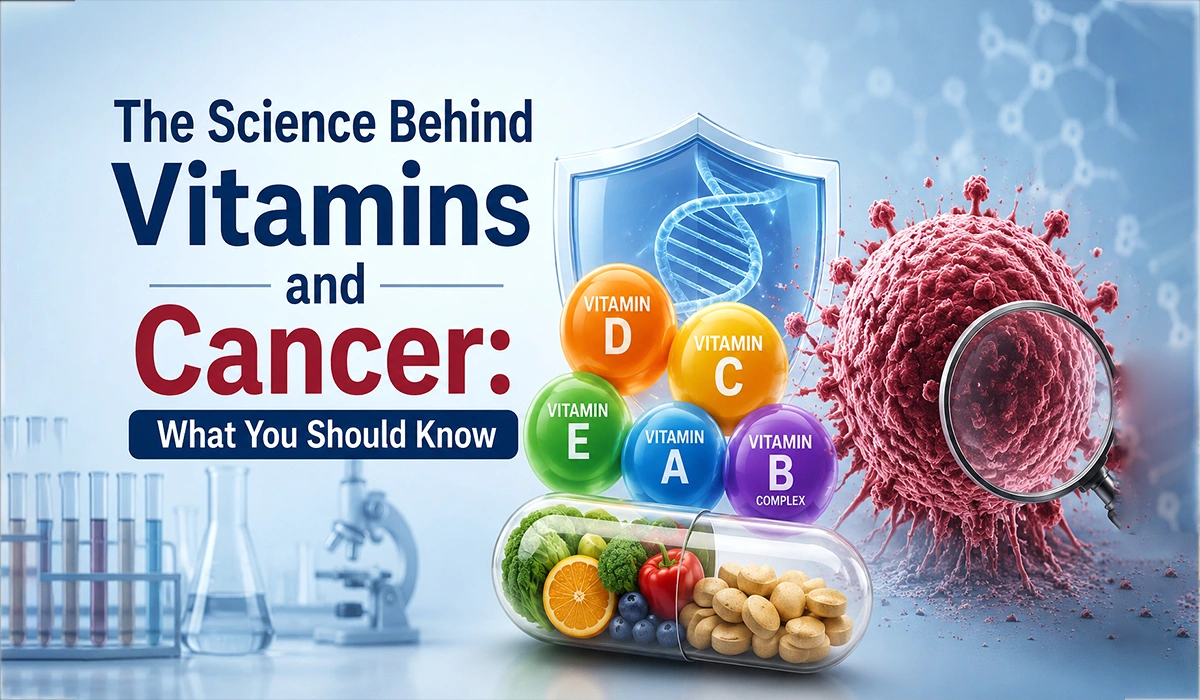
Understanding the science behind vitamins and cancer: what you should know has become increasingly important as people search for ways to support long-term health naturally and responsibly.
Some vitamins may help protect cells from damage, while others may influence inflammation, immunity, and cell growth. At the same time, excessive supplementation or incorrect usage can sometimes create risks instead of benefits.
This guide explores what current science says about vitamins and cancer, the role of nutrition in prevention, and how people can make informed health decisions.
What Does “The Science Behind Vitamins and Cancer” Mean?
The phrase the science behind vitamins and cancer: what you should know refers to the study of how vitamins affect:
- Cell growth
- Immune function
- DNA repair
- Oxidative stress
- Inflammation
Cancer develops when abnormal cells grow uncontrollably. Vitamins may influence this process by supporting normal cellular function and protecting the body from damage caused by free radicals and chronic inflammation.
However, vitamins are not “magic cures.” Scientific research shows that balance is essential.
Why Vitamins Matter for Overall Health
Vitamins are essential nutrients that help the body function properly.
They support:
- Energy production
- Brain health
- Immune defense
- Bone strength
- Cellular repair
Without enough vitamins, the body may become vulnerable to infections, fatigue, and chronic health conditions.
A healthy diet rich in vitamins also supports long-term disease prevention.
Understanding the Link Between Vitamins and Cancer
The relationship between vitamins and cancer is complex.
Scientists study how vitamins affect:
- Cancer prevention
- Tumor growth
- Treatment support
- Recovery after therapy
Some vitamins act as antioxidants, helping protect cells from damage that could lead to cancer.
Others influence immune response and inflammation, both of which play major roles in disease development.
The Role of Antioxidants in Cancer Prevention
Antioxidants are substances that help neutralize harmful molecules called free radicals.
Common antioxidant vitamins include:
- Vitamin C
- Vitamin E
- Vitamin A
Free radicals can damage DNA and cells, increasing cancer risk over time.
A diet rich in antioxidant-containing fruits and vegetables may help reduce this damage naturally.
However, high-dose antioxidant supplements are still being studied, especially during cancer treatment.
Vitamin D and Cancer Research
One of the most researched nutrients in cancer science is Vitamin D.
Why Vitamin D matters:
- Supports immune function
- Helps regulate cell growth
- Maintains bone health
Low Vitamin D levels have been linked to:
- Colon cancer
- Breast cancer
- Prostate cancer
In both the USA and India, Vitamin D deficiency is common due to indoor lifestyles and limited sun exposure.
Researchers continue studying whether proper Vitamin D levels may help lower cancer risk.
Can Vitamin Deficiencies Increase Cancer Risk?
Long-term nutritional deficiencies may weaken the body’s defense systems.
Deficiencies linked to health risks:
- Vitamin D deficiency
- Folate deficiency
- Vitamin B12 deficiency
Poor nutrition may contribute to:
- Chronic inflammation
- Reduced immune function
- Oxidative stress
These conditions can create an environment where abnormal cells may develop more easily.
Are Supplements Better Than Natural Foods?
This is one of the most common questions in the science behind vitamins and cancer: what you should know.
Natural food sources provide:
- Fiber
- Minerals
- Phytochemicals
- Antioxidants
Whole foods often work together in ways supplements cannot fully replicate.
Healthy vitamin-rich foods include:
- Citrus fruits
- Green leafy vegetables
- Nuts and seeds
- Whole grains
- Fish and dairy products
Supplements may help in cases of deficiency, but they should not replace a balanced diet.
Can Too Many Vitamins Be Harmful?
More vitamins do not always mean better health.
Excessive supplementation may sometimes create health risks.
Examples:
- Too much Vitamin A may become toxic
- High doses of Vitamin E may increase bleeding risk
- Excessive supplements may interfere with medications
Some studies suggest very high doses of certain supplements may even affect cancer treatment outcomes.
This is why medical guidance is important before starting long-term supplementation.
The Role of Diet in Cancer Prevention
Diet plays a major role in overall health and cancer prevention.
Experts recommend:
- Eating more plant-based foods
- Reducing processed meat intake
- Limiting sugary beverages
- Maintaining healthy body weight
Healthy eating patterns support:
- Gut health
- Immune function
- Reduced inflammation
Nutrition works best as part of a complete healthy lifestyle.
How Chronic Inflammation Impacts Cancer Risk
Inflammation is the body’s natural response to injury or infection.
But chronic inflammation can damage tissues over time.
Causes of chronic inflammation:
- Poor diet
- Smoking
- Obesity
- Stress
Certain vitamins and nutrients help support the body’s anti-inflammatory response.
This is one reason balanced nutrition remains important in long-term health management.
Vitamins During Cancer Treatment
Cancer treatments such as chemotherapy and radiation can affect nutritional status.
Patients may experience:
- Fatigue
- Loss of appetite
- Weakness
Doctors sometimes recommend specific nutritional support to help maintain strength and recovery.
However, supplement use during treatment should always be supervised by healthcare professionals.
The Importance of Gut Health
Modern research shows strong links between gut health, immunity, and disease prevention.
A healthy gut microbiome supports:
- Digestion
- Immune balance
- Nutrient absorption
Vitamin-rich diets combined with fiber and probiotics may support healthier gut function.
This area of research continues to grow worldwide.
Lifestyle Habits That Work Alongside Vitamins
Vitamins alone cannot prevent cancer.
Healthy lifestyle habits remain essential.
Important preventive habits:
- Regular exercise
- Adequate sleep
- Stress management
- Avoiding tobacco
- Limiting alcohol consumption
These habits work together with proper nutrition to support overall wellness.
Myths About Vitamins and Cancer
Many online claims about vitamins and cancer are misleading.
Common myths:
- Vitamins can cure cancer
- More supplements always improve health
- Natural products are always safe
Scientific evidence supports balanced nutrition—not miracle solutions.
Reliable medical guidance is always important.
The Future of Nutrition and Cancer Research
Research continues to explore:
- Personalized nutrition
- Genetic influences
- Precision supplementation
- Gut microbiome science
Future healthcare may use individualized nutrition plans to support disease prevention and recovery more effectively.
Conclusion
Understanding the science behind vitamins and cancer: what you should know helps people make smarter and more informed health choices.
Vitamins play important roles in immunity, cellular repair, and overall wellness. While they are not cures for cancer, proper nutrition may help support the body’s natural defense systems and reduce long-term health risks.
The key is balance.
A healthy diet, regular screenings, exercise, stress management, and professional medical advice remain the foundation of preventive healthcare in both the USA, India, and globally.
Listening to your body and prioritizing long-term wellness today may help create a healthier future tomorrow.