Introduction
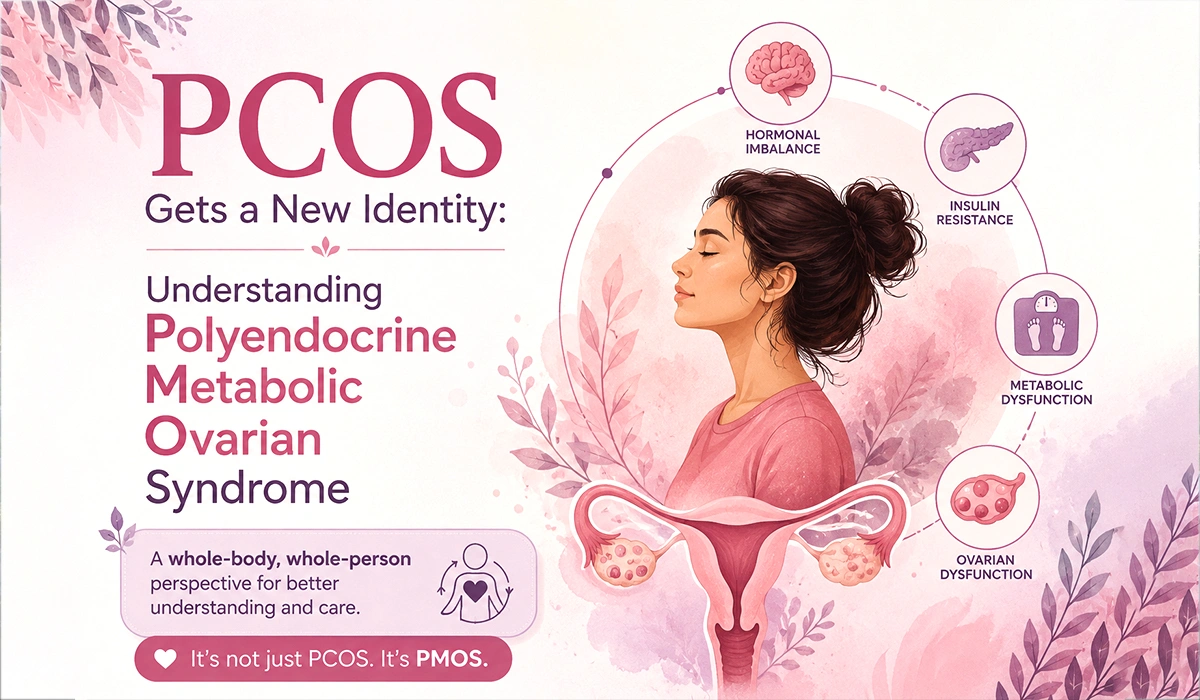
For years, millions of women around the world have heard the term “PCOS” during doctor visits, fertility consultations, or discussions about irregular periods and hormonal imbalance. But recently, healthcare experts have started looking at this condition differently. A growing number of researchers believe that Polycystic Ovary Syndrome (PCOS) is more than just a reproductive disorder. It affects metabolism, hormones, mental health, and even long-term wellness.
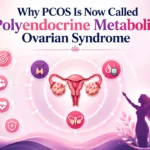
This shift has led to a new and more descriptive term: Polyendocrine Metabolic Ovarian Syndrome (PMOS).
The new name highlights a deeper truth. PCOS is not only about ovarian cysts or irregular menstrual cycles. It involves multiple hormone systems, metabolic changes, insulin resistance, inflammation, and whole-body health.
For women struggling with fatigue, weight gain, acne, infertility, mood swings, or unexplained health changes, this new understanding can be life-changing. It moves the conversation away from symptoms alone and toward complete healthcare management.
In this article, we will explore what Polyendocrine Metabolic Ovarian Syndrome means, why experts are reconsidering the old definition of PCOS, how the condition affects the body, and what women can do to manage it naturally and medically.
What Is Polyendocrine Metabolic Ovarian Syndrome?
Polyendocrine Metabolic Ovarian Syndrome is an expanded way of understanding PCOS. Traditionally, PCOS was mainly associated with ovarian cysts, irregular periods, and fertility issues. However, researchers now know that the condition affects several endocrine glands and metabolic systems.
The word “polyendocrine” refers to multiple hormone-producing systems in the body. “Metabolic” highlights the connection between PCOS and insulin resistance, obesity, cholesterol imbalance, and diabetes risk.
This modern understanding helps explain why many women with PCOS also experience:
- Weight gain
- Difficulty losing weight
- Fatigue
- Anxiety or depression
- Acne and hair thinning
- Excess facial hair
- Insulin resistance
- Sleep disturbances
The new term better reflects the complexity of the condition and encourages more complete treatment approaches.
Why Experts Believe PCOS Needs a New Identity
For decades, the name “Polycystic Ovary Syndrome” created confusion. Many women diagnosed with PCOS never had ovarian cysts at all. Others had severe hormonal symptoms without obvious ovarian changes.
Researchers argue that the old name focuses too heavily on ovaries while ignoring the broader hormonal and metabolic impact.
The updated concept of Polyendocrine Metabolic Ovarian Syndrome helps healthcare providers understand that this condition may involve:
- The ovaries
- Pancreas and insulin regulation
- Adrenal glands
- Thyroid interactions
- Fat metabolism
- Inflammatory pathways
This broader perspective can improve diagnosis and treatment strategies.
The Link Between Hormones and Metabolism
One of the biggest discoveries in recent years is the strong relationship between hormones and metabolism in PCOS.
Many women with PCOS have insulin resistance. This means the body struggles to use insulin properly, causing higher insulin levels in the bloodstream.
High insulin can trigger excess androgen production, leading to symptoms such as:
- Acne
- Facial hair growth
- Hair loss
- Irregular periods
At the same time, metabolic issues increase the risk of:
- Type 2 diabetes
- Obesity
- High blood pressure
- Heart disease
This is why modern experts believe PCOS should be viewed as a full-body metabolic condition rather than only a reproductive disorder.
Common Symptoms of Polyendocrine Metabolic Ovarian Syndrome
Symptoms can vary widely from person to person. Some women experience only mild hormonal changes, while others face significant physical and emotional challenges.
Common symptoms include:
Irregular Menstrual Cycles
Periods may become unpredictable, delayed, or absent altogether.
Weight Gain
Especially around the abdomen due to insulin resistance.
Acne and Oily Skin
Hormonal imbalance can increase oil production.
Excess Hair Growth
Known as hirsutism, often affecting the face, chest, or chin.
Hair Thinning
Some women notice scalp hair loss similar to male-pattern hair loss.
Fertility Challenges
Ovulation may become irregular or absent.
Mood Changes
Anxiety, stress, and depression are commonly linked with PCOS.
Fatigue
Hormonal imbalance and insulin resistance can reduce energy levels.
Understanding Insulin Resistance in PCOS
Insulin resistance is considered one of the central drivers of Polyendocrine Metabolic Ovarian Syndrome.
When insulin levels remain high, the body stores more fat and struggles to burn energy efficiently. This creates a cycle where hormonal imbalance and metabolic dysfunction continue feeding each other.
Signs of insulin resistance may include:
- Sugar cravings
- Weight gain
- Brain fog
- Fatigue after meals
- Darkened skin patches
- Difficulty losing weight
Managing insulin resistance is often one of the most important steps in improving PCOS symptoms.
How Lifestyle Influences PCOS Symptoms
Lifestyle plays a major role in both the development and management of PCOS.
Modern routines filled with:
- Processed foods
- Lack of sleep
- High stress
- Sedentary behavior
can worsen hormonal imbalance and inflammation.
Positive lifestyle habits include:
Balanced Nutrition
A diet rich in protein, fiber, healthy fats, and low-glycemic foods may support hormone balance.
Regular Exercise
Physical activity improves insulin sensitivity and supports metabolism.
Better Sleep
Hormones are closely connected to sleep quality.
Stress Management
Meditation, yoga, and mindfulness may help reduce cortisol levels.
The Role of Nutrition in Hormonal Balance
Nutrition is one of the strongest tools for managing Polyendocrine Metabolic Ovarian Syndrome.
Women with PCOS often benefit from foods that support:
- Stable blood sugar
- Reduced inflammation
- Hormonal regulation
Helpful foods may include:
- Leafy greens
- Whole grains
- Lean protein
- Nuts and seeds
- Omega-3-rich foods
- Berries
- Turmeric
- Green tea
Foods often linked with worsening symptoms:
- Sugary drinks
- Refined carbohydrates
- Excess processed foods
- High trans-fat intake
Nutrition should always be personalized based on medical history and lifestyle.
Mental Health and PCOS
The emotional impact of PCOS is often underestimated.
Women dealing with visible symptoms like acne, weight changes, and fertility struggles may experience:
- Low self-esteem
- Anxiety
- Social stress
- Depression
Hormonal fluctuations themselves can also influence mood and emotional regulation.
Experts now encourage healthcare providers to treat mental health as an essential part of PCOS care.
Support systems, therapy, stress reduction, and self-care can play an important role in long-term wellness.
Fertility and Reproductive Health
PCOS remains one of the leading causes of infertility worldwide. However, many women with PCOS can still conceive successfully with proper management.
Ovulation irregularities are usually the primary challenge.
Fertility-support strategies may include:
- Weight management
- Balanced nutrition
- Ovulation tracking
- Hormonal treatment
- Fertility medications
- Stress reduction
Early diagnosis and proper care improve reproductive outcomes significantly.
Can PCOS Be Prevented?
There is no guaranteed way to completely prevent Polyendocrine Metabolic Ovarian Syndrome because genetics and hormones also play a role.
However, healthy habits may reduce symptom severity and support hormonal health.
Prevention-focused strategies:
- Maintaining a healthy weight
- Staying physically active
- Managing stress
- Prioritizing sleep
- Reducing processed food intake
- Monitoring blood sugar health
Early awareness is extremely important.
Modern Treatment Approaches for PCOS
Treatment varies depending on symptoms, age, fertility goals, and overall health.
Common treatment options include:
Lifestyle Modification
Usually considered the foundation of treatment.
Hormonal Therapy
Birth control pills may help regulate periods and reduce androgen levels.
Insulin-Sensitizing Medications
Sometimes used to improve insulin resistance.
Supplements
Certain vitamins and minerals may support metabolic and hormonal health.
Fertility Treatment
For women trying to conceive.
Doctors increasingly recommend a personalized and multidisciplinary approach.
Why Awareness About PCOS Is Growing Globally
PCOS awareness is increasing across countries like the United States, India, Canada, the UK, and Australia due to rising cases of:
- Obesity
- Stress-related hormonal disorders
- Sedentary lifestyles
- Infertility concerns
Social media and healthcare advocacy groups are also helping women speak openly about hormonal health.
The shift toward calling PCOS “Polyendocrine Metabolic Ovarian Syndrome” reflects a larger movement toward more accurate healthcare education.
The Future of PCOS Research
Scientists continue exploring:
- Genetic causes
- Hormonal pathways
- Gut microbiome connections
- Inflammation
- Personalized medicine
Future treatments may become more targeted and effective as researchers better understand the condition’s complexity.
The goal is not only symptom control but long-term metabolic and hormonal wellness.
Conclusion
The understanding of PCOS is evolving rapidly. The term “Polyendocrine Metabolic Ovarian Syndrome” reflects a more accurate picture of how deeply this condition affects the body beyond the ovaries alone.
For millions of women, this new perspective brings validation. It explains why symptoms extend far beyond reproductive health and highlights the importance of complete wellness care.
Managing PCOS is not only about treating periods or fertility. It is about improving hormonal balance, metabolic health, mental wellness, energy levels, and quality of life.
With better awareness, personalized treatment, and supportive healthcare systems, women can take control of their health journey and move toward stronger, healthier lives.