Introduction: Why Do Some People Feel Healthy—Even When They’re Busy?
Have you ever met someone who seems balanced, energetic, and calm—even during stressful times? It’s rarely luck. In most cases, that balance comes from a deliberate focus on mental, physical, and nutritional well-being: a holistic health approach.
In today’s fast-paced world, many people focus on one part of health while ignoring the rest. Some exercise daily but neglect mental rest. Others eat well but struggle with stress. True wellness doesn’t happen in pieces. It happens when the mind, body, and nutrition work together.
Across the United States and worldwide, people are recognizing that long-term health requires more than quick fixes. It requires a connected, sustainable strategy. That is where mental, physical, and nutritional well-being: a holistic health approach becomes powerful—not as a trend, but as a way of life.
What Is Mental, Physical, and Nutritional Well-Being: A Holistic Health Approach?
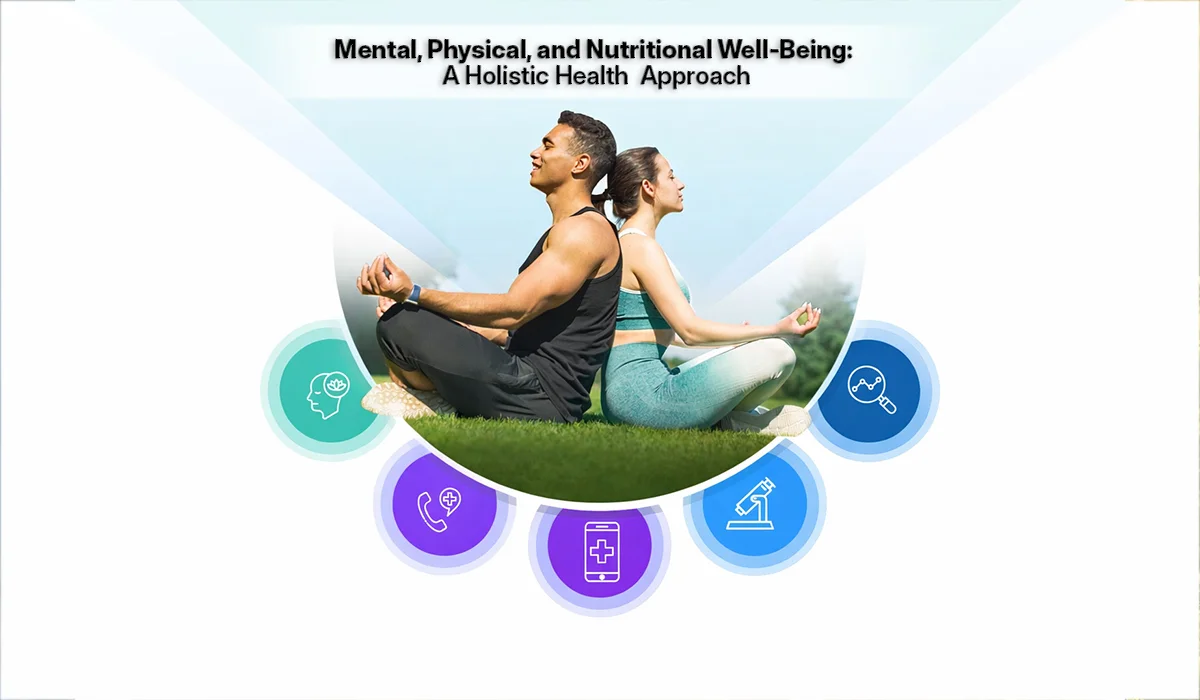
At its core, mental, physical, and nutritional well-being: a holistic health approach means treating health as an interconnected system. Instead of viewing mental health, physical fitness, and nutrition as separate areas, this approach sees them as deeply linked.
- Mental well-being involves emotional balance, stress management, clarity, and resilience.
- Physical well-being includes strength, movement, sleep, and cardiovascular health.
- Nutritional well-being focuses on balanced eating patterns that support energy, immunity, and long-term disease prevention.
When these areas align, the body functions more efficiently. Energy improves. Recovery speeds up. Focus sharpens. This integrated view moves beyond short-term solutions and supports sustainable health.
Why a Holistic Health Approach Matters More Today
Modern life brings unique challenges. Long work hours, digital overload, processed foods, and sedentary routines can disrupt the balance between mind and body.
Research from global health organizations consistently shows that lifestyle-related conditions—such as heart disease, diabetes, and anxiety disorders—are rising. Many of these issues are influenced by:
- Chronic stress
- Poor dietary habits
- Lack of movement
- Inadequate sleep
Mental, physical, and nutritional well-being: a holistic health approach addresses root causes rather than symptoms alone. It recognizes that preventing illness is often more effective than treating it later.
The Mental Well-Being Component: Building Emotional Resilience
Mental well-being is often overlooked until stress becomes overwhelming. However, emotional balance directly influences physical health.
Chronic stress increases inflammation, weakens immunity, and disrupts sleep. Over time, this can contribute to serious health conditions.
Key elements of mental well-being include:
- Stress management practices (breathing exercises, meditation)
- Social connection
- Setting boundaries
- Seeking professional support when needed
In a holistic health approach, mental care is not optional. It is foundational.
The Physical Well-Being Component: Movement as Medicine
Physical activity supports more than muscle tone. It improves circulation, strengthens the heart, enhances mood, and reduces the risk of chronic disease.
Regular movement helps:
- Lower blood pressure
- Improve insulin sensitivity
- Boost mental clarity
- Enhance sleep quality
Even moderate activity—such as walking 30 minutes daily—can have measurable health benefits.
In mental, physical, and nutritional well-being: a holistic health approach, movement is not about appearance. It is about function, longevity, and vitality.
The Nutritional Well-Being Component: Fueling the Body Correctly
Nutrition plays a direct role in mental clarity and physical performance. Balanced meals that include:
- Whole grains
- Lean proteins
- Healthy fats
- Fruits and vegetables
provide the nutrients needed for stable energy and immune strength. Poor dietary habits can contribute to mood swings, fatigue, and long-term health complications. On the other hand, a consistent, balanced diet supports both brain and body health.
Holistic health does not promote extreme dieting. It emphasizes sustainable eating patterns.
How Mind, Body, and Nutrition Influence Each Other
One of the most important principles of mental, physical, and nutritional well-being: a holistic health approach is understanding interaction.
For example:
- Poor sleep affects appetite hormones.
- High stress levels can trigger unhealthy food choices.
- Inadequate nutrition reduces physical stamina.
- Lack of exercise impacts mood regulation.
These systems are connected. Improving one area often improves the others.
Practical Daily Habits for Holistic Health
Holistic health does not require dramatic life changes. It often begins with small, consistent actions:
- Prioritize 7–8 hours of sleep.
- Include vegetables in most meals.
- Take short walking breaks during the day.
- Limit screen time before bed.
- Practice mindful breathing during stressful moments.
Consistency matters more than intensity.
Common Misconceptions About Holistic Health
Some believe holistic health means alternative medicine only. Others think it requires expensive programs or supplements. In reality, mental, physical, and nutritional well-being: a holistic health approach is practical and accessible. It combines evidence-based medicine with lifestyle strategies.
It does not replace medical care. Instead, it complements it.
The Role of Preventive Healthcare
Preventive care supports holistic health by identifying risks early. Regular check-ups, screenings, and health assessments allow individuals to adjust habits before problems escalate. In countries like the United States, preventive services—such as cholesterol checks and cancer screenings—play a critical role in long-term wellness strategies.
Prevention and lifestyle alignment go hand in hand.
Cultural Perspectives on Holistic Health
Different cultures have long embraced interconnected wellness models. Traditional systems in Asia, Europe, and the Americas often recognized that emotional balance and diet affect physical strength. Modern research now confirms many of these insights. While approaches differ, the shared message remains: health is integrated.
Workplace and Community Applications
Holistic health is not limited to individuals. Workplaces and schools increasingly promote wellness programs that address mental health support, fitness initiatives, and healthy meal options. Communities that encourage active living and nutritious food access see measurable improvements in public health outcomes.
Product and Support Systems in Holistic Health
Supplements, wellness tools, and digital health apps can support this approach—but they are not substitutes for foundational habits. Before using products, individuals should consult healthcare professionals to ensure safety and relevance.
Conclusion: Health Is Not a Single Choice—It’s a Pattern
True health is not built in a single workout or meal. It is built through patterns of behavior that respect the connection between mind, body, and nutrition.
Mental, physical, and nutritional well-being: a holistic health approach reminds us that health works best when systems work together. By focusing on balance rather than extremes, individuals can build resilience, reduce risk, and improve quality of life.
If this approach resonates with you, consider evaluating your daily habits. Small adjustments today can shape long-term health outcomes.
Web Stories