Introduction: A Small Test That Changed Everything
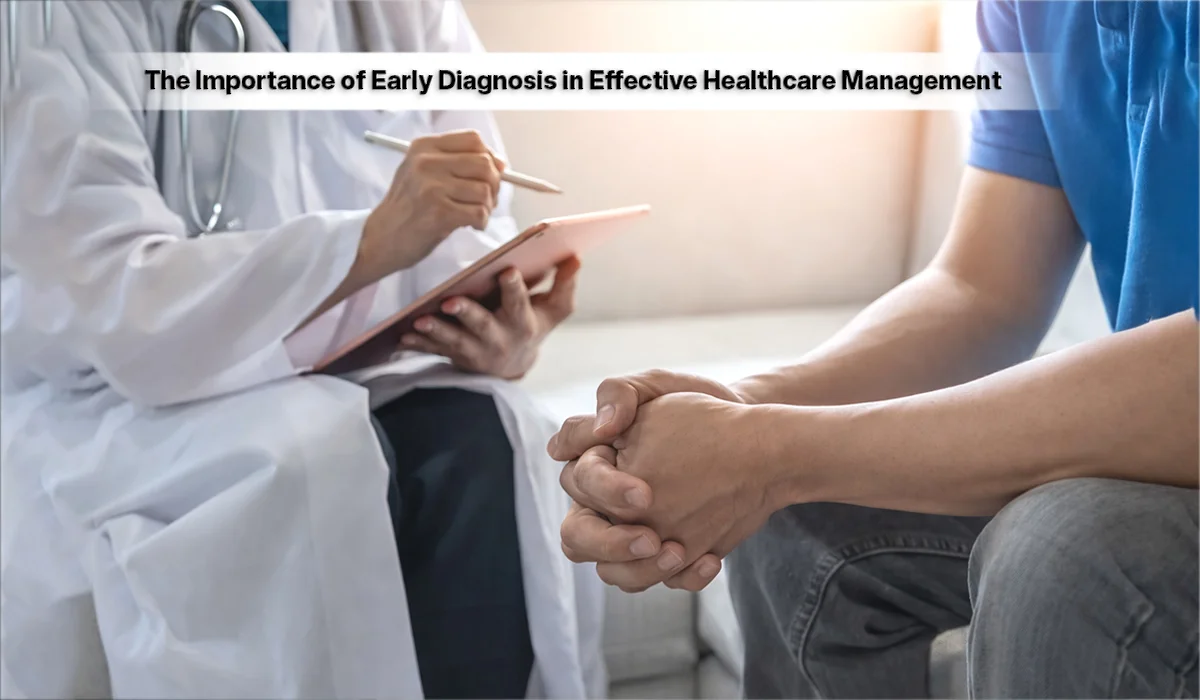
Ravi was 42 when he finally went for a routine health check. He felt fine—just a little tired from long workdays. His wife insisted on the visit. That simple blood test revealed early-stage diabetes.
The doctor told him something that stayed with him:
“You came at the right time. Early diagnosis gives us control.”
Ravi’s story is not unique. Across the USA, India, and many parts of the world, people delay medical checkups because they feel “okay.” Yet many serious conditions—cancer, heart disease, diabetes, kidney disorders—begin silently.
That is why The Importance of Early Diagnosis in Effective Healthcare Management cannot be overstated. Early detection saves lives, reduces costs, improves recovery rates, and helps families avoid emotional and financial stress.
Healthcare is not only about treatment. It is about timing.
What Is Early Diagnosis in Healthcare Management?
Early diagnosis means identifying a disease or health condition at its initial stage—often before noticeable symptoms appear.
In effective healthcare management, early diagnosis involves:
- Routine screening tests
- Preventive health checkups
- Risk assessment based on age and family history
- Diagnostic imaging and lab testing
- Monitoring chronic conditions
When healthcare systems prioritize early diagnosis, they shift focus from reactive treatment to preventive care.
This approach supports better planning, timely intervention, and improved long-term outcomes.
Why The Importance of Early Diagnosis in Effective Healthcare Management Matters Globally
Healthcare systems in the USA and India face different challenges—but both struggle with late detection of diseases.
In the USA:
- Chronic diseases account for 70% of deaths.
- Preventive screenings are available but often delayed.
In India:
- Many patients visit hospitals only when symptoms become severe.
- Access and awareness gaps lead to late-stage diagnosis.
Despite these differences, the solution remains the same: detect early, treat early, recover faster.
How Early Diagnosis Saves Lives
Early detection directly impacts survival rates.
Example: Cancer
- Stage 1 breast cancer survival rate: over 90%
- Stage 4 survival rate: significantly lower
Example: Heart Disease
Detecting high blood pressure early can prevent:
- Stroke
- Heart attack
- Kidney damage
The earlier the problem is found, the more treatment options exist.
Financial Benefits of Early Diagnosis
One often overlooked aspect of The Importance of Early Diagnosis in Effective Healthcare Management is cost control.
Late-stage treatment often involves:
- Surgery
- Intensive care
- Long-term medication
- Extended hospital stays
Early detection may require:
- Lifestyle changes
- Medication management
- Minor procedures
Preventive healthcare costs far less than emergency treatment.
In the USA, preventive services reduce long-term healthcare expenses. In India, early intervention prevents catastrophic out-of-pocket spending.
The Role of Preventive Screening Programs
Screening programs are central to effective healthcare management.
Common screenings include:
- Mammograms
- Blood sugar testing
- Cholesterol checks
- Colonoscopy
- Blood pressure monitoring
- Thyroid testing
Governments and hospitals increasingly promote annual health check packages.
Screening bridges the gap between prevention and treatment.
Early Diagnosis and Chronic Disease Management
Chronic diseases develop slowly. Without early diagnosis, they remain hidden.
Diabetes
Early detection allows:
- Diet adjustments
- Exercise routines
- Medication management
- Blood sugar monitoring
Hypertension
Silent but dangerous. Early detection prevents:
- Stroke
- Heart failure
Chronic disease management becomes effective only when diagnosis happens early.
Technology’s Role in Early Diagnosis
Modern healthcare solutions now use:
- AI-assisted imaging
- Wearable devices
- Telemedicine
- Genetic testing
- Digital health records
In the USA, remote monitoring devices help detect abnormal heart rhythms early.
In India, mobile diagnostic camps bring testing to rural areas.
Technology is narrowing the gap between symptoms and detection.
Mental Health and Early Diagnosis
Physical health is not the only area where early detection matters.
Early diagnosis of:
- Depression
- Anxiety
- ADHD
- Cognitive decline
Improves recovery outcomes significantly.
Mental health awareness campaigns are increasing globally, encouraging people to seek help early.
Barriers to Early Diagnosis
Despite its benefits, challenges remain.
Common Barriers:
- Fear of results
- Cost concerns
- Lack of awareness
- Cultural stigma
- Limited access to healthcare
Healthcare management must address these barriers through:
- Education campaigns
- Affordable screening programs
- Insurance coverage expansion
- Community outreach
Early Diagnosis in Rural vs Urban Settings
Urban populations often have better access to hospitals and labs.
Rural communities may rely on:
- Health camps
- Primary care centers
- Government initiatives
Improving diagnostic access in rural areas strengthens overall healthcare management systems.
The Human Side of Early Detection
Early diagnosis is not only clinical—it is emotional.
Families gain:
- Peace of mind
- Treatment options
- Time to prepare
- Better recovery chances
Patients feel empowered when conditions are caught early rather than during crisis.
Healthcare becomes proactive rather than reactive.
Policy and Healthcare System Improvements
Governments worldwide are shifting policies to emphasize preventive care.
Examples include:
- Mandatory insurance coverage for screenings
- Workplace health programs
- School health check initiatives
- Public awareness campaigns
Effective healthcare management requires policy-level support for early diagnosis.
Conclusion
Ravi’s story could have ended differently if he had waited. The Importance of Early Diagnosis in Effective Healthcare Management lies in one simple truth: timing changes outcomes.
Early detection:
- Saves lives
- Reduces suffering
- Controls costs
- Improves recovery
- Strengthens healthcare systems
Healthcare should not begin at the emergency room. It should begin at awareness. If you have not scheduled a routine checkup recently, consider doing so. Prevention is always stronger than cure.