introduction:
When you open a strip of tablets or a bottle of syrup, you probably think about relief. Relief from pain. Relief from infection. Relief from discomfort.
But have you ever wondered what happened before that medicine reached you?
Behind every safe and effective product is a long, carefully controlled journey. That journey is called reliable pharma manufacturing — and it begins long before production starts.
From research labs in India to distribution channels across the USA and Europe, modern pharmaceutical manufacturing connects science, regulation, precision, and responsibility. In today’s world, where quality and compliance matter more than ever, understanding how reliable pharma manufacturing works helps patients, healthcare providers, and businesses make informed decisions.
Let’s take a closer look at the full journey — from formulation to finished product.
What Is Reliable Pharma Manufacturing?
At its core, reliable pharma manufacturing refers to the structured, compliant, and quality-controlled process of producing medicines that meet strict safety and regulatory standards.
It includes:
- Research and formulation development
- Raw material sourcing
- Production under GMP standards
- Quality testing
- Packaging and labeling
- Regulatory documentation
- Distribution
A reliable pharmaceutical manufacturer ensures that every batch produced is consistent, safe, and effective.
In India, for example, pharmaceutical manufacturing follows WHO-GMP, Schedule M, and increasingly USFDA-compliant systems to serve both domestic and global markets.
Step 1: Research and Formulation Development
Everything begins with a question:
How can we solve a medical need effectively and safely?
Pharmaceutical formulation development involves:
- Selecting active pharmaceutical ingredients (APIs)
- Determining dosage strength
- Studying bioavailability
- Testing stability
Formulation scientists test different combinations until they find the right balance between safety, effectiveness, and stability.
For example, a simple pain relief tablet requires careful control of:
- Dissolution rate
- Absorption profile
- Shelf life
- Moisture sensitivity
Reliable pharma manufacturing ensures that the formula works the same way every time.
Step 2: Raw Material Sourcing and Vendor Qualification
A medicine is only as good as its ingredients.
Before manufacturing begins, companies:
- Audit raw material suppliers
- Test incoming materials
- Verify purity and identity
- Maintain traceability documentation
In global pharmaceutical manufacturing, supplier qualification is critical. Manufacturers serving the USA or Europe must ensure raw materials meet international pharmacopeia standards like:
- USP (United States Pharmacopeia)
- EP (European Pharmacopeia)
- IP (Indian Pharmacopeia)
Reliable pharma manufacturing includes strict supplier approval programs and batch-level verification.
Step 3: Manufacturing Under GMP Guidelines
GMP stands for Good Manufacturing Practices.
It is the backbone of reliable pharmaceutical production.
Under GMP:
- Equipment must be validated.
- Staff must be trained.
- Facilities must be hygienic.
- Processes must be documented.
- Cross-contamination must be prevented.
In India, GMP-certified pharmaceutical manufacturers are inspected regularly by regulatory bodies.
A GMP facility includes:
- Clean rooms
- Air filtration systems
- Controlled humidity zones
- Separate production areas for different dosage forms
Without GMP, reliability is impossible.
Step 4: Quality Control and Testing
Quality is not checked at the end — it is monitored at every stage.
Reliable pharma manufacturing includes:
In-Process Testing
- Weight variation
- Hardness testing
- Dissolution testing
- pH analysis
Finished Product Testing
- Microbial analysis
- Stability testing
- Chemical assay
- Packaging integrity
Each batch must pass quality checks before release.
A single failure can stop the entire production line.
Step 5: Documentation and Regulatory Compliance
In pharmaceutical manufacturing, documentation is as important as production.
Every step must be recorded:
- Batch manufacturing records
- Equipment cleaning logs
- Calibration reports
- Quality testing reports
- Deviation handling
Regulatory compliance differs slightly across countries:
| Region | Regulatory Authority |
|---|---|
| India | CDSCO |
| USA | USFDA |
| Europe | EMA |
| UK | MHRA |
Reliable pharma manufacturing ensures documentation meets international standards for exports.
Step 6: Packaging and Labeling Standards
Packaging is not just about branding. It protects product stability.
Packaging must:
- Prevent moisture damage
- Block light exposure
- Maintain sterility (for injectables)
- Ensure tamper evidence
Labeling must include:
- Dosage instructions
- Batch number
- Manufacturing date
- Expiry date
- Regulatory approvals
Incorrect labeling can lead to product recalls.
Step 7: Storage and Distribution Control
Reliable pharmaceutical manufacturing extends beyond the factory.
Medicines must be stored under controlled conditions:
- Temperature monitoring
- Cold chain systems
- Warehouse audits
- Distribution tracking
Global exports require validated logistics partners.
Why India Is a Global Hub for Reliable Pharma Manufacturing
India is known as the “Pharmacy of the World.”
Reasons include:
- Large skilled workforce
- Cost-efficient production
- Strong regulatory upgrades
- USFDA-approved facilities
- WHO-GMP compliance
Indian pharma manufacturers supply over 200 countries worldwide.
Reliable pharma manufacturing in India balances affordability with global compliance.
How Reliable Pharma Manufacturing Builds Trust
Trust is earned through:
- Batch consistency
- Transparent documentation
- Ethical practices
- Regulatory compliance
- Pharmacovigilance systems
Healthcare providers rely on manufacturers who maintain strict quality benchmarks.
Patients depend on medicines that work exactly as intended.
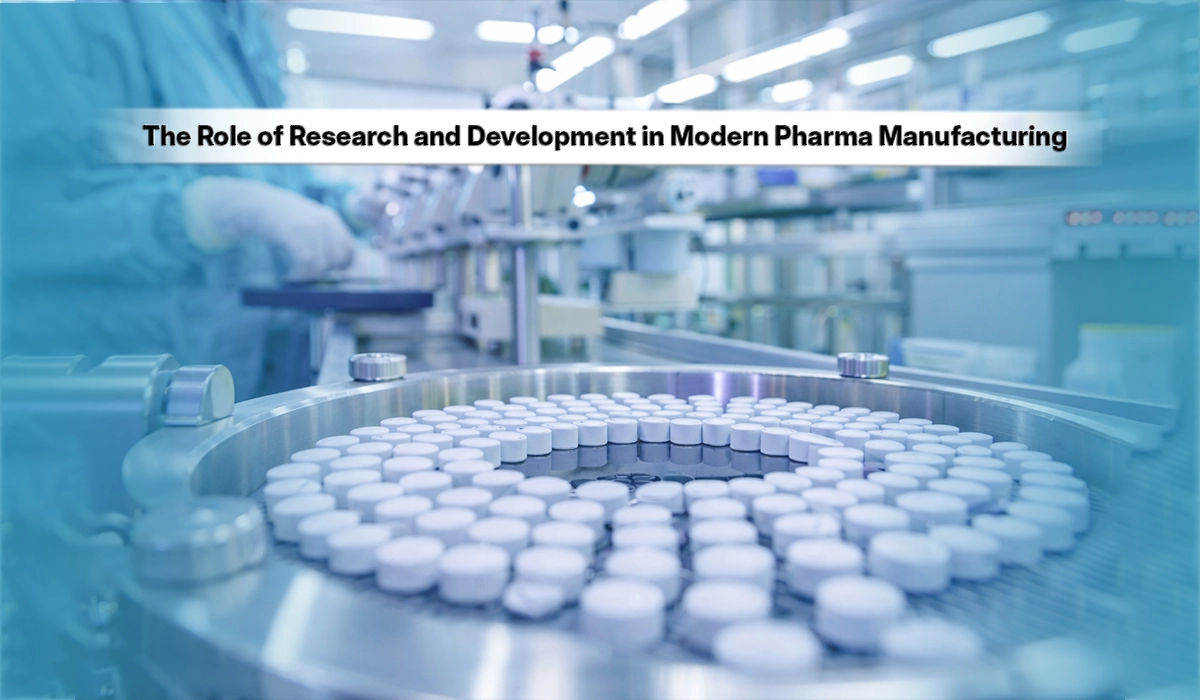
Practical Example: Tablet Manufacturing Process
Let’s simplify it:
- Raw materials are weighed.
- Ingredients are blended.
- Granulation occurs.
- Tablets are compressed.
- Coating is applied.
- Quality tests are performed.
- Packaging is completed.
- Batch release approval is granted.
Each step includes checks.
That is how reliable pharma manufacturing protects safety.
Challenges in Modern Pharmaceutical Manufacturing
Reliable pharma manufacturing must manage:
- Supply chain disruptions
- Regulatory audits
- Rising compliance costs
- Counterfeit risks
- Global quality expectations
Manufacturers must constantly upgrade technology and training.
Technology and Automation in Reliable Pharma Manufacturing
Modern facilities now use:
- Automated production lines
- ERP systems
- Real-time monitoring
- AI-based quality inspection
- Electronic batch records
Automation improves consistency and reduces human error.
Conclusion
From formulation development to finished packaging, reliable pharma manufacturing is a detailed, regulated, and science-driven process.
It combines:
- Precision
- Compliance
- Technology
- Ethical responsibility
Whether in India, the USA, or Europe, reliable pharmaceutical manufacturing protects global health. The next time you hold a medicine strip, remember — it represents years of expertise, strict standards, and an entire system built on trust.