Nukind Healthcare: A Commitment to Quality-Driven Healthcare Solutions

Introduction: Why Quality in Healthcare Is Not Optional

What does quality truly mean in healthcare? For a patient, it means safety. For a doctor, it means reliability. For a distributor or partner, it means trust that lasts beyond a single transaction.

In a country like India—where healthcare demands are rising rapidly—patients and professionals look for companies that go beyond supplying medicines. They seek organizations that commit to safety, innovation, and responsibility.

Nukind Healthcare: A Commitment to Quality-Driven Healthcare Solutions is not just a phrase. It reflects a philosophy rooted in ethical practices, strict quality standards, and patient-centered development. In a market filled with options, consistency in quality makes all the difference.

This article explores how Nukind Healthcare builds trust, why quality-driven pharmaceutical solutions matter, and how the company continues to grow responsibly in India and beyond.

What Does “Nukind Healthcare: A Commitment to Quality-Driven Healthcare Solutions” Mean?

At its core, Nukind Healthcare: A Commitment to Quality-Driven Healthcare Solutions represents a structured approach to pharmaceutical excellence. It means:

  • Developing formulations backed by science
  • Following strict regulatory compliance
  • Maintaining high manufacturing standards
  • Prioritizing patient safety
  • Ensuring product reliability across markets

Quality-driven healthcare solutions are not only about producing medicines. They involve research integrity, controlled processes, accurate documentation, and responsible distribution.

For Nukind Healthcare, quality is not an added feature—it is the foundation.

The Importance of Quality-Driven Pharmaceutical Solutions in India

India is one of the fastest-growing pharmaceutical markets in the world. With rising lifestyle diseases, increased awareness, and broader access to healthcare, the need for dependable medicines has never been greater.

Quality-driven pharmaceutical companies in India must address:

  • Chronic conditions like diabetes and heart disease
  • Growing demand for nutraceuticals and wellness products
  • Rising regulatory expectations
  • Global export compliance

A company committed to quality ensures that every batch meets safety parameters. It reduces the risk of variability and builds long-term credibility.

In this environment, Nukind Healthcare: A Commitment to Quality-Driven Healthcare Solutions becomes especially relevant.

A Patient-First Approach in Modern Healthcare

Healthcare is ultimately about people. A patient-first approach ensures:

  • Safe formulations
  • Accurate dosage
  • Clear labeling
  • Reliable supply chains

Nukind Healthcare emphasizes patient safety through controlled manufacturing processes and quality assurance checks.

Instead of focusing only on expansion, the company aligns growth with responsibility. That balance defines quality-driven healthcare solutions.

Research, Innovation, and Responsible Development

Innovation in pharmaceuticals is not limited to new molecules. It includes improving absorption, enhancing stability, and refining dosage forms.

Nukind Healthcare invests in:

  • Optimized formulations
  • Stability testing
  • Quality validation
  • Scientific evaluation

Responsible development ensures that products are not rushed to market. They are evaluated, documented, and verified.

This commitment strengthens the reputation of Nukind Healthcare as a quality-driven pharmaceutical brand.

Diverse Healthcare Portfolio: Meeting Evolving Needs

A strong healthcare company must adapt to changing demands. Nukind Healthcare offers a diversified portfolio across segments such as:

  • Well-being and Nutritional Care
  • Personal Care
  • Ayurveda & Herbals
  • Topicals
  • Analgesics
  • Anti-Diabetic Solutions
  • Cardio-Vascular Care
  • Gastro-Intestinal Care
  • Anti-Infectives

This balanced portfolio reflects a comprehensive approach to healthcare. It addresses preventive wellness and critical therapies under one structured system.

Compliance and Regulatory Discipline

Quality-driven healthcare solutions depend on compliance. Regulatory adherence ensures:

  • Manufacturing consistency
  • Accurate documentation
  • Batch traceability
  • Safety protocols

In India’s competitive pharmaceutical landscape, regulatory discipline distinguishes responsible companies from short-term operators. Nukind Healthcare operates with structured compliance frameworks designed to align with evolving standards.

Ethical Business Practices in Pharmaceutical Distribution

Ethical marketing and transparent partnerships form the backbone of long-term growth.

Nukind Healthcare collaborates with:

  • Healthcare professionals
  • Distributors
  • Retail partners
  • Institutional stakeholders

Instead of short-term incentives alone, the focus remains on sustainable relationships.

This approach builds trust across the supply chain.

Why Quality-Driven Healthcare Matters Globally

While India remains a key focus, pharmaceutical quality standards are increasingly global.

Healthcare solutions today must consider:

  • International regulatory requirements
  • Stability in varied climates
  • Documentation standards
  • Export readiness

Quality-driven systems enable smoother expansion across borders.

The philosophy behind Nukind Healthcare: A Commitment to Quality-Driven Healthcare Solutions supports adaptability beyond domestic markets.

The Role of Preventive Wellness in Modern Healthcare

Healthcare is evolving from reactive treatment to preventive care.

Nutritional supplements, wellness tonics, and herbal formulations play a supportive role in:

  • Strengthening immunity
  • Supporting metabolic health
  • Enhancing daily vitality

By integrating modern research with traditional knowledge, Nukind Healthcare offers structured preventive healthcare solutions.

Real-World Example: Quality in Action

Consider a patient managing a chronic condition such as diabetes. They require:

  • Consistent dosage
  • Reliable formulation
  • Predictable results

If product quality fluctuates, patient outcomes may be affected. Quality-driven pharmaceutical companies reduce such risks by maintaining uniformity in production. This real-world impact reinforces the importance of disciplined manufacturing.

Long-Term Trust Over Short-Term Gains

The pharmaceutical industry demands patience and consistency.

Companies that prioritize:

  • Compliance over shortcuts
  • Research over rapid expansion
  • Transparency over aggressive marketing

are more likely to sustain credibility.

Nukind Healthcare aligns its growth with responsibility—an essential factor in long-term healthcare impact.

Conclusion: Building Healthcare on Responsibility

Quality in healthcare is not optional—it is essential. In a rapidly evolving pharmaceutical environment, responsible development and compliance define credibility.

Nukind Healthcare: A Commitment to Quality-Driven Healthcare Solutions reflects more than corporate messaging. It represents a structured philosophy centered on safety, innovation, and ethical growth.

As healthcare systems continue to advance, companies grounded in quality will remain relevant.
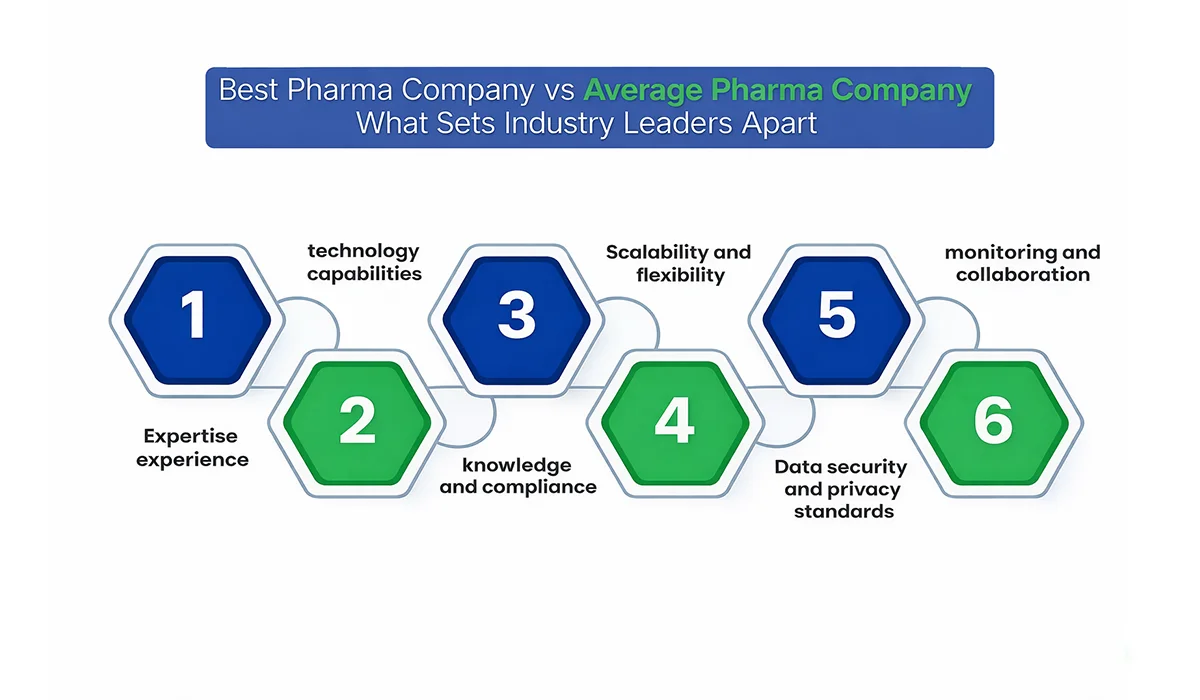
Best Pharma Company vs Average Pharma Company: What Sets Industry Leaders Apart

Introduction: Why the Gap Between the Best and the Average Is Growing

In today’s healthcare-driven world, the difference between a best pharma company vs average pharma company is no longer subtle—it is decisive. From drug safety and compliance to innovation and ethical responsibility, industry leaders are redefining what excellence truly means in pharmaceuticals.

A best pharma company is defined by more than just products—it’s built on expertise, compliance, and innovation.
Industry leaders invest in advanced technology, strong quality systems, and scalable operations.
They prioritize data security, regulatory adherence, and transparent collaboration.
Unlike average pharma companies, leaders focus on long-term trust and patient outcomes.
This commitment is what truly sets the best pharma companies apart.

This article draws on industry expertise and real-world observations to explain what truly separates the best pharma companies from the rest, and why this distinction matters more than ever for patients, partners, and healthcare systems.

What Is the Difference Between the Best Pharma Company and an Average Pharma Company?

The core difference between a best pharma company vs average pharma company lies in mindset and execution.

An average pharma company often focuses on:

  • Meeting minimum regulatory requirements
  • Cost-driven production decisions
  • Short-term commercial gains

A best pharma company, however, is driven by:

  • Patient-first quality systems
  • Long-term scientific innovation
  • Ethical manufacturing and compliance excellence

Industry leaders invest in robust research frameworks, global regulatory alignment, and continuous process improvement—well beyond what is legally required.

Why Do the Best Pharma Companies Invest More in Quality and Compliance?

Quality is not an expense for top pharma companies; it is a strategic advantage.

The best pharma companies maintain:

  • WHO-GMP, USFDA, EU-GMP aligned facilities
  • Dedicated in-house quality assurance teams
  • Continuous audit readiness and digital documentation

In contrast, an average pharma company may treat compliance as a periodic checklist. This approach increases risks of batch failures, recalls, and reputational damage.

Experts consistently agree that quality-led pharma companies reduce long-term costs by preventing errors rather than correcting them. This proactive mindset is a defining factor in the best pharma company vs average pharma company comparison.

How Innovation and R&D Separate Industry Leaders from the Rest

Another major differentiator is research and development.

The best pharma companies:

  • Invest heavily in formulation science and bioavailability improvement
  • Maintain DSIR-recognized or equivalent R&D units
  • Focus on patient-centric innovations, not just generics

Average pharma companies often depend on:

  • Replicated formulations
  • Limited product differentiation
  • Minimal post-launch optimization
    In an era where patients and doctors demand efficacy, safety, and consistency, innovation is no longer optional. It is the backbone of leadership in the pharma industry.

Is Ethical Manufacturing the Real Mark of a Best Pharma Company?

Ethical manufacturing has emerged as a critical trust factor in healthcare.

A best pharma company ensures:

  • Responsible sourcing of raw materials
  • Transparent supply chains
  • Environmental and worker safety compliance
  • Zero compromise on patient safety

Average pharma companies may meet surface-level standards but often lack long-term sustainability strategies.

Healthcare professionals increasingly prefer working with pharma companies that demonstrate ethical accountability, not just commercial capability. This ethical foundation strongly influences the perception of the best pharma company vs average pharma company.

Why Trust and Brand Reputation Matter More Than Price

In pharmaceuticals, trust outweighs pricing. Doctors, hospitals, and distributors consistently choose the best pharma companies because:

  • Their products deliver consistent results
  • Their documentation is reliable
  • Their support systems are responsive

An average pharma company may compete on price, but price alone cannot compensate for inconsistent quality or regulatory risks.

Studies show that brand trust directly impacts prescription loyalty, making reputation one of the strongest competitive advantages in the pharma industry.

Conclusion: Choosing Between Average and the Best Is a Healthcare Decision

The comparison between a best pharma company vs average pharma company is not merely a business distinction—it is a healthcare decision with real-world consequences.

Industry leaders stand apart through:

  • Uncompromising quality standards
  • Continuous innovation
  • Ethical manufacturing practices
  • Patient-first philosophy

As healthcare systems evolve and patients become more informed, the demand for best-in-class pharma companies will only increase. In this landscape, excellence is not defined by scale alone—but by integrity, science, and trust.

For stakeholders across the healthcare ecosystem, choosing the best pharma company is ultimately a choice for safety, reliability, and long-term impact.

How Technology and Digitalization Are Shaping the Best Pharma Companies in India

Introduction

India’s pharmaceutical sector is undergoing a profound transformation. From paper-based workflows to AI-driven operations, how technology and digitalization are shaping the best pharma companies in India is no longer a future question—it is today’s reality.

With rising regulatory expectations, global competition, and demand for transparency, Indian pharma leaders are turning to digital solutions to stay ahead. Technologies such as artificial intelligence, automation, data analytics, and cloud platforms are redefining how medicines are researched, manufactured, tested, and delivered.

Having closely observed India’s evolving pharma ecosystem over the last decade, one trend is clear: companies that invest early in digitalization consistently outperform peers in quality, compliance, and speed to market. This shift is not only improving operational efficiency but also strengthening patient trust—an essential currency in healthcare.

What Is Driving Digital Transformation in the Indian Pharma Industry?

Digital transformation in pharma is being driven by necessity, not hype.

Indian pharmaceutical companies operate in one of the world’s most regulated environments. Compliance with global standards such as WHO-GMP, USFDA, and EU-GMP requires precise documentation, traceability, and quality control. Manual systems are no longer sufficient.

Key drivers include:

  • Increasing regulatory scrutiny
  • Demand for faster drug development cycles
  • Global supply chain complexity
  • Rising focus on data integrity and patient safety

As a result, the best pharma companies in India are adopting digital systems that ensure accuracy, accountability, and real-time visibility across operations.

How Are AI, Automation, and Data Analytics Transforming Pharma Operations?

Artificial intelligence and automation are at the core of how technology and digitalization are shaping the best pharma companies in India.

AI-powered analytics help companies:

  • Predict demand more accurately
  • Detect quality deviations early
  • Optimize formulations and stability studies 

Automation reduces human error in manufacturing and packaging while improving consistency. Smart production lines now use sensors and IoT devices to monitor temperature, humidity, and equipment performance in real time.

Meanwhile, advanced data analytics enables leadership teams to make faster, evidence-based decisions. Instead of reacting to problems, digital-first pharma companies anticipate them—saving time, cost, and resources.

Is Digitalization Improving Quality, Compliance, and Patient Safety?

Yes, and significantly so.

Digital Quality Management Systems (QMS) are replacing manual logs and spreadsheets. These systems provide:

  • End-to-end batch traceability
  • Automated deviation tracking
  • Real-time audit readiness

Electronic Batch Manufacturing Records (eBMRs) ensure data integrity, a critical requirement for global regulatory approvals. This directly impacts patient safety by reducing the risk of contamination, dosage errors, and product recalls.

For patients, digitalization translates into safer medicines, consistent quality, and greater transparency—key reasons why technology-led companies are increasingly recognized as the best pharma companies in India.

How Is Digital R&D Accelerating Drug Development in India?

Research and development is another area where digitalization is making a measurable impact.

AI-driven drug discovery platforms analyze vast datasets to identify promising molecules faster than traditional methods. Virtual trials, digital documentation, and simulation models help shorten development timelines without compromising scientific rigor.

Clinical trial management systems (CTMS) improve patient recruitment, monitoring, and compliance. These tools reduce delays and improve data accuracy—critical factors in bringing new therapies to market faster.

As a result, Indian pharma companies leveraging digital R&D tools are better positioned to compete globally and address unmet medical needs efficiently.

Why Technology Adoption Separates the Best Pharma Companies from the Rest

Technology adoption is no longer optional. It is a clear differentiator.

The best pharma companies in India share common digital traits:

  • Integrated ERP and supply chain platforms
  • Cloud-based documentation and collaboration
  • Cybersecure data infrastructure
  • Continuous digital upskilling of teams

These companies are not just investing in tools; they are building digital cultures. Leadership commitment, employee training, and process reengineering ensure that technology delivers real value rather than becoming a cost center.

In contrast, organizations that delay digital transformation face higher compliance risks, slower growth, and reduced global competitiveness.

Conclusion

In today’s fast-evolving healthcare landscape, how technology and digitalization are shaping the best pharma companies in India is a story of resilience, responsibility, and reinvention. Digital tools are enhancing quality, accelerating innovation, strengthening compliance, and ultimately improving patient outcomes.

As India continues to position itself as a global pharmaceutical hub, technology-led companies will define the future. For pharma organizations aiming for long-term excellence, digitalization is not just an upgrade—it is the foundation of sustainable growth and trust.

Why Ethical Manufacturing Is the Foundation of the Best Pharma Companies

The Real Reason People Ask This Question

When people talk about the best pharma companies, they are often reacting to a deeper concern:
Can this medicine be trusted—every time, for everyone?

In today’s healthcare environment, trust is no longer built through scale or visibility alone. It is built through ethical manufacturing, where responsibility, transparency, and patient safety guide every decision.

Ethical manufacturing is not a marketing term. It is a system of behavior that determines how medicines are designed, produced, tested, and released. This is why ethical manufacturing has become the foundation of the best pharma companies, especially in countries like India where global healthcare responsibility continues to grow.

What Ethical Manufacturing Means in the Pharmaceutical Industry

Ethical manufacturing in pharma refers to the consistent application of integrity-driven systems across the entire production lifecycle.

This includes:

  • Sourcing raw materials responsibly
  • Maintaining controlled manufacturing environments
  • Following Good Manufacturing Practices (GMP)
  • Ensuring accurate documentation and traceability
  • Prioritizing patient safety over speed or cost

Ethical manufacturing is not defined by intention. It is defined by verifiable processes that can withstand audits, inspections, and real-world use.

Companies such as Nukind Healthcare operate within this framework, where compliance and ethical discipline are embedded into daily operations rather than treated as external obligations.

Why Ethical Manufacturing Matters More Today Than Ever

Healthcare systems today are more interconnected than ever before. A single product manufactured in India may reach patients across continents.

What has changed:

  • Stronger regulatory scrutiny
  • Global supply chain transparency

  • Higher expectations from healthcare professionals
  • AI-driven audits and traceability systems

What has not changed:

  • Medicines must remain safe, effective, and consistent

Ethical manufacturing matters because it reduces systemic risk. It ensures that quality is maintained not just during approvals, but throughout the product’s lifecycle. It also protects patients from silent failures caused by shortcuts or documentation gaps.

How Ethical Manufacturing Works in Practice

Ethical manufacturing functions as a set of interdependent systems, not isolated actions.

Quality-First Production Systems

Manufacturing environments are designed to prevent contamination, variation, and process drift. Controls exist not to slow production, but to protect outcomes.

Data Integrity and Documentation

Every batch tells a story. Ethical manufacturers ensure that this story is complete, accurate, and reviewable at any time.

Regulatory Compliance as a Daily Practice

Compliance is not something prepared for audits. It is something maintained continuously, whether inspections occur or not.

The key trade-off is speed versus responsibility. Ethical manufacturing consistently chooses responsibility.

Real-World Scenario: Why Ethics Change Outcomes

Consider two manufacturers producing the same formulation.

One identifies a minor deviation during internal quality checks and pauses distribution to investigate.
The other proceeds, assuming the deviation is insignificant.

The difference is not technical knowledge—it is ethical maturity.

Ethical manufacturing changes outcomes by preventing small issues from becoming patient risks. Over time, this discipline defines which pharma companies earn long-term trust.

Quick Understanding Summary

Ethical manufacturing is the foundation of the best pharma companies because it ensures medicines are produced safely, consistently, and responsibly. It focuses on systems, documentation, compliance, and patient safety rather than speed or visibility. While regulations set minimum requirements, ethical manufacturing goes further by embedding integrity into daily operations, helping companies maintain trust across markets and over time.

Conclusion

The best pharma companies are not defined by how fast they grow, but by how responsibly they operate. Ethical manufacturing ensures that medicines remain safe, consistent, and trustworthy—today and years from now. In healthcare, ethics are not optional; they are foundational.


Best Pharma Company Practices: From Manufacturing Excellence to Patient Care

Introduction

The phrase best pharma company practices is no longer limited to factory standards or certifications. Today, it reflects how responsibly medicines are developed, how transparently quality is maintained, and how deeply patient outcomes are considered at every stage.

Across India’s healthcare ecosystem, patients and professionals alike are becoming more aware of how pharmaceutical processes affect safety, effectiveness, and long-term trust. This shift has placed new focus on manufacturing excellence, regulatory compliance, and patient-centric care—not as separate goals, but as one connected system.

Organizations such as Nukind Healthcare operate within this evolving framework, where quality is not defined by scale or visibility, but by consistency, accountability, and ethical responsibility throughout the product lifecycle.

What Are Best Pharma Company Practices and Why Do They Matter in India?

Best pharma company practices refer to the systems, standards, and behaviors that ensure medicines are safe, reliable, and consistently effective.

In India, this includes:

  • Compliance with CDSCO and Schedule M regulations
  • Adherence to Good Manufacturing Practices (GMP)
  • Strong quality assurance and documentation systems 

These practices matter because medicines are not ordinary consumer products. A small deviation in formulation, storage, or documentation can affect patient safety. When pharma companies follow disciplined practices, they reduce risk—not just for regulators, but for doctors, pharmacists, and patients who rely on these medicines daily.

How Manufacturing Excellence Shapes Pharmaceutical Quality

Manufacturing excellence is the foundation of best pharma company practices.

It involves controlled environments, validated equipment, trained personnel, and continuous monitoring. Every batch produced must follow predefined specifications, with deviations documented and investigated. This level of control ensures that a medicine made today will perform the same way months or years later.

At companies like Nikund Healthcare, manufacturing excellence is not a one-time achievement. It is maintained through internal audits, process reviews, and regular improvements aligned with regulatory expectations. This approach helps ensure quality remains stable even as production scales.

Why Patient-Centric Care Is Now a Core Pharma Responsibility

Historically, pharma companies focused primarily on production and distribution. Today, patient-centric care is an essential part of best pharma company practices.

This shift means:

  • Designing formulations that are easier to use
  • Ensuring clear labeling and dosage information
  • Monitoring product safety even after market release 

Patient-centricity does not mean direct marketing to patients. Instead, it reflects responsibility—anticipating how medicines are used in real life and reducing the chances of misuse, adverse reactions, or confusion.

How Compliance, Ethics, and Transparency Work Together

Compliance alone does not define quality. Ethical behavior and transparency complete the system.

Best pharma company practices require:

  • Accurate record-keeping
  • Honest reporting of deviations
  • Cooperation with regulatory authorities 

When compliance, ethics, and transparency work together, trust is built naturally. This trust extends beyond regulators to healthcare professionals and patients, who rely on consistent standards rather than promises.

Real-World Impact: When Practices Are Done Right

Consider two manufacturers producing similar medicines. One follows strong internal controls, documents every step, and addresses deviations early. The other focuses only on output.

Over time, the first earns regulatory confidence, smoother audits, and professional trust. The second faces recalls, warnings, or reputational damage. The difference lies not in intent, but in system maturity and discipline—the true markers of best pharma company practices.

Conclusion

Best pharma company practices are defined by more than manufacturing output or market presence. They are built on disciplined systems, ethical compliance, and genuine concern for patient outcomes. In India’s evolving healthcare environment, companies that integrate manufacturing excellence with patient-centric care set the foundation for long-term trust and sustainable impact.

Role of Innovation and R&D in Becoming the Best Pharma Company

Introduction

The role of innovation and R&D in becoming the best pharma company is no longer limited to discovering new medicines. Today, it defines how pharmaceutical organizations ensure safety, quality, consistency, and long-term relevance in a rapidly evolving healthcare ecosystem.

In India, where pharmaceutical manufacturing serves both domestic and global markets, research and development has become the backbone of trust. Companies like Nukind Healthcare operate in an environment where innovation is not optional—it is essential for compliance, patient safety, and sustainable growth.

As regulatory expectations rise and healthcare needs become more complex, R&D determines whether a pharma company can adapt responsibly. This article explains how innovation and research truly work in practice, why they matter today, and how they shape the future of pharmaceutical excellence.

What Is the Role of Innovation and R&D in Becoming the Best Pharma Company?

The role of innovation and R&D in becoming the best pharma company lies in building repeatable systems that improve medicines, processes, and patient outcomes over time.

Research and development in pharma includes:

  • Formulation development and optimization
  • Bioavailability and stability testing
  • Process improvement and validation
  • Regulatory alignment and documentation

Innovation does not always mean creating a new molecule. Often, it means improving how an existing medicine is manufactured, absorbed, stored, or delivered. These refinements directly affect quality and safety.

For Indian pharma manufacturers, innovation connects scientific research with regulatory discipline. Without R&D, quality cannot be sustained consistently across batches or markets.

Why Innovation and R&D Matter More in Pharma Today

Several shifts have increased the importance of innovation and R&D in pharma.

First, regulatory scrutiny has intensified. Authorities now focus heavily on data integrity, traceability, and process validation. R&D teams play a central role in meeting these expectations.

Second, healthcare needs are changing. Chronic diseases, nutritional deficiencies, and lifestyle disorders require smarter formulations and combination therapies. Research helps companies respond responsibly.

Third, global markets demand consistency. Export-oriented pharma companies must align with multiple regulatory frameworks, which requires strong research-backed systems.

While innovation evolves, the core goal remains stable: delivering safe, effective, and reliable medicines at scale.

How Innovation and R&D Work in Practice

Formulation Development and Improvement

R&D teams work to balance efficacy, safety, and stability. Even small formulation changes can improve absorption, shelf life, or patient compliance.

Process Optimization

Innovation also applies to manufacturing. Improving equipment efficiency, reducing variability, and validating processes help ensure consistent quality across large volumes.

Quality and Compliance Integration

R&D supports quality assurance by generating validated data. This data forms the foundation for audits, regulatory submissions, and risk management.

Cross-Functional Collaboration

Effective R&D connects scientists, quality teams, and manufacturing units. This collaboration ensures innovation translates into real-world reliability.

Key takeaway: Innovation in pharma is practical, regulated, and system-driven—not experimental or promotional.

Real-World Scenarios from Indian Pharma

Consider two manufacturers producing the same therapeutic category.

One invests in continuous R&D, identifies a stability issue early, and updates its formulation process. The other relies on legacy methods and reacts only after regulatory feedback.

Both may meet minimum requirements initially, but only the first builds long-term trust. This difference explains why innovation and R&D quietly separate reliable pharma companies from inconsistent ones.

Understanding this helps clarify why R&D investment is closely linked to reputation and sustainability.

Quick Understanding Summary

The role of innovation and R&D in becoming the best pharma company is about building reliable systems that improve quality, compliance, and patient outcomes over time. Rather than focusing only on new drugs, pharma innovation strengthens formulations, processes, and regulatory readiness. In today’s environment, consistent R&D-driven improvement is essential for long-term trust and global relevance.

Common Mistakes to Avoid

A frequent mistake is equating innovation only with new product launches. In reality, process improvements are equally critical.
Another error is treating R&D as a one-time phase rather than a continuous system.
Some companies also underestimate documentation and validation, which are now central to regulatory trust.

Conclusion

The role of innovation and R&D in becoming the best pharma company is rooted in discipline, not visibility. When research supports quality systems and compliance, trust follows naturally. In a complex healthcare landscape, long-term pharmaceutical excellence depends on how well innovation is integrated into everyday practice.


How the Best Pharma Companies in India Ensure Quality, Safety, and Trust

Introduction

In a country that supplies medicines to millions of people every day, trust in pharmaceuticals is not optional—it is essential. When people search for how the best pharma companies in India ensure quality, safety, and trust, they are not comparing brands. They are trying to understand how reliability is built in an industry where mistakes have real human consequences.

India’s pharmaceutical ecosystem has evolved rapidly, driven by stricter regulations, global audits, and rising patient awareness. Today, quality is no longer defined by claims or scale alone. It is defined by systems, discipline, and accountability. This article explains how quality, safety, and trust are actually ensured—and why these factors matter more now than ever.

What Does “Best Pharma Companies in India” Really Mean Today?

The phrase best pharma companies in India is often misunderstood. It does not mean the largest manufacturers or the most visible names. Instead, it refers to companies that consistently demonstrate control over quality, safety, and compliance across their operations.

At its core, quality in pharmaceuticals means that every batch of medicine behaves exactly as intended—today, tomorrow, and years from now. Safety means risks are anticipated, monitored, and corrected before harm occurs. Trust emerges only when these two principles hold steady over time.

Companies such as Nukind Healthcare operate within this same regulatory environment, where quality is defined by process integrity rather than marketing visibility.

Why Quality, Safety, and Trust Matter More in India Today

India’s role in global medicine supply has expanded dramatically. With this growth has come increased scrutiny from regulators, healthcare providers, and international partners.

What has changed is not the science, but the expectations. Regulatory bodies now emphasize data integrity, traceability, and audit readiness. Digital documentation systems, pharmacovigilance reporting, and risk-based quality management have become essential.

At the same time, patients and doctors are more informed. Trust is no longer assumed; it is evaluated. Companies that fail to maintain consistent standards quickly lose credibility. Those that succeed do so quietly—through systems that work even when no one is watching.

How the Best Pharma Companies in India Ensure Quality in Practice

Quality does not come from a single department. It emerges from how multiple systems interact under pressure.

Manufacturing Discipline

Good Manufacturing Practices (GMP) regulate everything from raw material handling to environmental controls. The best pharma companies in India treat GMP as a daily operating mindset, not a compliance checkbox.

Quality Assurance and Documentation

Every action must be recorded, reviewed, and traceable. Documentation allows deviations to be investigated and corrected before they escalate. Without records, quality cannot be proven—only claimed.

Safety Monitoring and Pharmacovigilance

Post-market safety systems track adverse events and real-world outcomes. Safety is not static; it evolves as medicines interact with diverse populations.

Regulatory Compliance

Indian pharma companies must align with CDSCO norms and, in many cases, international standards. Compliance is continuous. A past approval does not guarantee present reliability.

Key takeaway: Quality, safety, and trust are maintained only when systems remain effective during stress, audits, and scale.

Real-World Scenarios: Where Trust Is Earned or Lost

Consider two manufacturers producing the same formulation. One identifies a stability issue during routine checks and pauses distribution. The other overlooks incomplete documentation and releases the batch.

The difference is not intent. It is system maturity.

Understanding how the best pharma companies in India ensure quality, safety, and trust helps explain why some organizations retain long-term confidence while others struggle after a single failure.

How Patients and Healthcare Professionals Experience This Difference

For doctors, quality appears as predictable therapeutic outcomes. For patients, it appears as reliability—medicines that work as expected without surprises.

Trust is built when:

  • Medicines behave consistently
  • Safety signals are addressed transparently
  • Supply chains remain dependable

These outcomes are invisible when systems function correctly, which is why true quality often goes unnoticed until it fails.

Conclusion

How the best pharma companies in India ensure quality, safety, and trust is not defined by slogans or scale. It is defined by disciplined manufacturing, continuous compliance, and accountability at every stage. When systems are designed to prevent failure rather than hide it, trust becomes sustainable. That is what separates enduring pharmaceutical organizations from temporary success.

What Defines the Best Pharma Company in India Today? Key Quality & Compliance Factors

Introduction 

India supplies medicines to more than 200 countries, yet many people still ask the same question: what actually defines the best pharma company in India today?
The answer has little to do with size, advertising, or brand visibility.

In recent years, tighter regulations, global audits, and rising patient awareness have shifted attention toward quality systems, compliance discipline, and ethical manufacturing. Healthcare professionals, regulators, and informed consumers now look beyond labels to understand how medicines are developed, tested, and monitored.

This article explains—clearly and practically—how pharmaceutical quality and compliance truly work in India, and why these factors matter more today than ever before.

What Defines the Best Pharma Company in India Today?

At its core, the best pharma company in India is defined by how reliably it produces safe, effective, and consistent medicines over time.

This reliability depends on interconnected systems:

  • Manufacturing controls
  • Quality assurance processes
  • Regulatory compliance
  • Documentation accuracy
  • Ethical decision-making 

Companies such as Nukind Healthcare operate within this same national and international regulatory ecosystem, where trust is earned through process discipline rather than promotion.

Quality is not a claim—it is a repeatable outcome.

Why Pharma Quality and Compliance Matter More Today in India

The Indian pharmaceutical industry has matured rapidly. With this growth has come greater scrutiny.

Several changes have raised the bar:

  • Increased global inspections (USFDA, WHO-GMP, EU-GMP)
  • Digital traceability requirements
  • Zero tolerance for data integrity lapses
  • Stronger pharmacovigilance expectations 

What has changed is visibility. Deviations that once went unnoticed are now detected early through audits and electronic systems.

What has not changed is the fundamental goal: medicines must remain safe, effective, and consistent—regardless of scale or geography.

How Quality and Compliance Work in Practice

Manufacturing Systems and GMP Discipline

Good Manufacturing Practices (GMP) govern every stage of production. These rules control:

  • Raw material sourcing
  • Equipment qualification
  • Environmental monitoring
  • Batch processing 

Errors are expected in any complex system. Quality companies are defined by how quickly and transparently they detect and correct them.

Key takeaway: Quality systems are built for control, not perfection.

Quality Assurance and Documentation Integrity

Every activity in a pharmaceutical facility is documented. This includes:

  • Manufacturing records
  • Quality checks
  • Stability data
  • Deviation reports 

Documentation is not paperwork—it is proof of process integrity. Without accurate records, quality cannot be verified or trusted.

Regulatory Compliance and Continuous Audits

Compliance is not a one-time approval. It is ongoing.

Indian pharma companies operate under CDSCO and Schedule M regulations, while export-focused manufacturers follow international frameworks. Audits test whether systems work under pressure, not just on paper.

Real-World Scenarios That Reveal True Quality

Consider two manufacturers producing the same formulation.

One detects a stability variation during internal testing and halts distribution. Another misses the signal due to weak documentation controls.

The difference is not intention—it is system maturity.

Understanding this explains why trust in pharma is built slowly, through consistent behavior over time.

Quick Understanding Summary

The best pharma company in India today is defined by strong quality systems, strict compliance, reliable documentation, and ethical accountability. Reputation follows process discipline, not visibility. While scale and reach vary, long-term trust depends on how well a company manages risk, audits, and regulatory responsibility.

Common Mistakes People Make When Judging Pharma Companies

One common mistake is assuming that popularity equals quality.
Another is treating certifications as permanent proof rather than current compliance snapshots.
Outdated thinking also ignores the role of data integrity, internal audits, and pharmacovigilance systems that now define modern pharmaceutical credibility.

Conclusion

Understanding what defines the best pharma company in India today requires looking beyond branding and claims. Quality is built through systems, verified through compliance, and sustained through discipline. When these elements align, trust follows—quietly and reliably.

Let's Talk

Let's Talk

Our team is ready to guide you—connect with us today.

Get in Touch


    Call Us

    +91-8851219099

    Reach Us

    Plot no.68, Phase-1, Block C, DLF Industrial Area, Sector 32, Faridabad, Haryana 121003

    Video Logo

    We Care of your Health

    Copyright © 2026 Nukind Pharma Pvt Ltd. All Rights Reserved.

    Add to cart