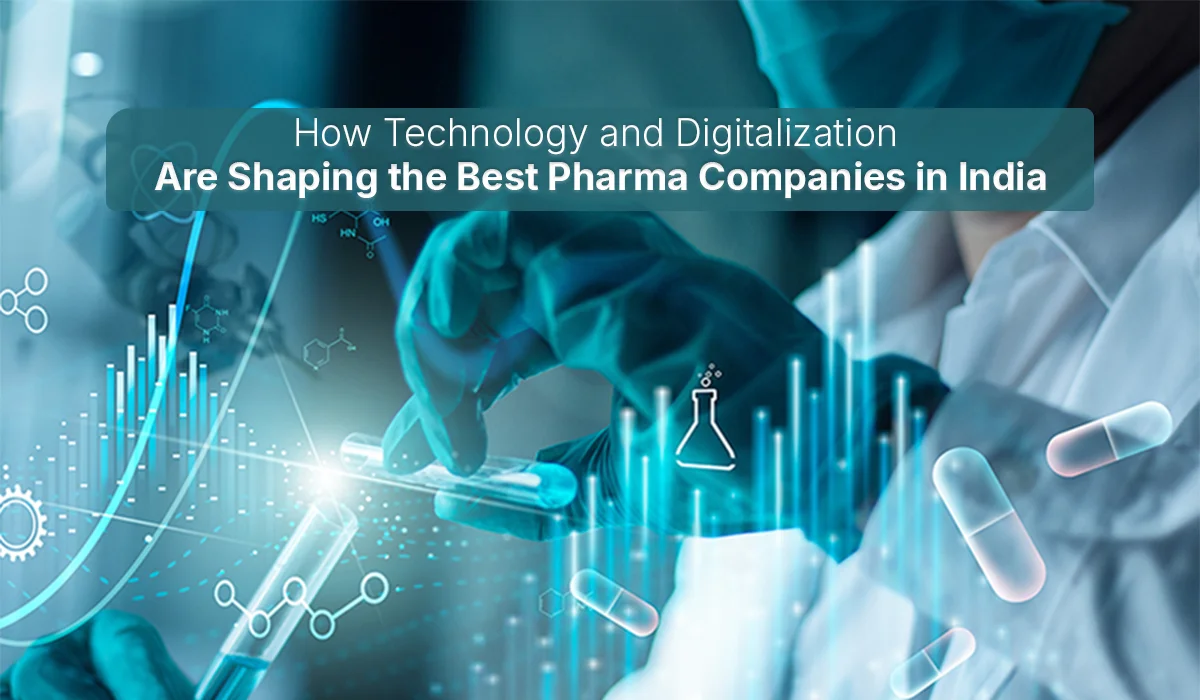
How Technology and Digitalization Are Shaping the Best Pharma Companies in India
Introduction
India’s pharmaceutical sector is undergoing a profound transformation. From paper-based workflows to AI-driven operations, how technology and digitalization are shaping the best pharma companies in India is no longer a future question—it is today’s reality.
With rising regulatory expectations, global competition, and demand for transparency, Indian pharma leaders are turning to digital solutions to stay ahead. Technologies such as artificial intelligence, automation, data analytics, and cloud platforms are redefining how medicines are researched, manufactured, tested, and delivered.
Having closely observed India’s evolving pharma ecosystem over the last decade, one trend is clear: companies that invest early in digitalization consistently outperform peers in quality, compliance, and speed to market. This shift is not only improving operational efficiency but also strengthening patient trust—an essential currency in healthcare.
What Is Driving Digital Transformation in the Indian Pharma Industry?
Digital transformation in pharma is being driven by necessity, not hype.
Indian pharmaceutical companies operate in one of the world’s most regulated environments. Compliance with global standards such as WHO-GMP, USFDA, and EU-GMP requires precise documentation, traceability, and quality control. Manual systems are no longer sufficient.
Key drivers include:
- Increasing regulatory scrutiny
- Demand for faster drug development cycles
- Global supply chain complexity
- Rising focus on data integrity and patient safety
As a result, the best pharma companies in India are adopting digital systems that ensure accuracy, accountability, and real-time visibility across operations.
How Are AI, Automation, and Data Analytics Transforming Pharma Operations?
Artificial intelligence and automation are at the core of how technology and digitalization are shaping the best pharma companies in India.
AI-powered analytics help companies:
- Predict demand more accurately
- Detect quality deviations early
- Optimize formulations and stability studies
Automation reduces human error in manufacturing and packaging while improving consistency. Smart production lines now use sensors and IoT devices to monitor temperature, humidity, and equipment performance in real time.
Meanwhile, advanced data analytics enables leadership teams to make faster, evidence-based decisions. Instead of reacting to problems, digital-first pharma companies anticipate them—saving time, cost, and resources.
Is Digitalization Improving Quality, Compliance, and Patient Safety?
Yes, and significantly so.
Digital Quality Management Systems (QMS) are replacing manual logs and spreadsheets. These systems provide:
- End-to-end batch traceability
- Automated deviation tracking
- Real-time audit readiness
Electronic Batch Manufacturing Records (eBMRs) ensure data integrity, a critical requirement for global regulatory approvals. This directly impacts patient safety by reducing the risk of contamination, dosage errors, and product recalls.
For patients, digitalization translates into safer medicines, consistent quality, and greater transparency—key reasons why technology-led companies are increasingly recognized as the best pharma companies in India.
How Is Digital R&D Accelerating Drug Development in India?
Research and development is another area where digitalization is making a measurable impact.
AI-driven drug discovery platforms analyze vast datasets to identify promising molecules faster than traditional methods. Virtual trials, digital documentation, and simulation models help shorten development timelines without compromising scientific rigor.
Clinical trial management systems (CTMS) improve patient recruitment, monitoring, and compliance. These tools reduce delays and improve data accuracy—critical factors in bringing new therapies to market faster.
As a result, Indian pharma companies leveraging digital R&D tools are better positioned to compete globally and address unmet medical needs efficiently.
Why Technology Adoption Separates the Best Pharma Companies from the Rest
Technology adoption is no longer optional. It is a clear differentiator.
The best pharma companies in India share common digital traits:
- Integrated ERP and supply chain platforms
- Cloud-based documentation and collaboration
- Cybersecure data infrastructure
- Continuous digital upskilling of teams
These companies are not just investing in tools; they are building digital cultures. Leadership commitment, employee training, and process reengineering ensure that technology delivers real value rather than becoming a cost center.
In contrast, organizations that delay digital transformation face higher compliance risks, slower growth, and reduced global competitiveness.
Conclusion
In today’s fast-evolving healthcare landscape, how technology and digitalization are shaping the best pharma companies in India is a story of resilience, responsibility, and reinvention. Digital tools are enhancing quality, accelerating innovation, strengthening compliance, and ultimately improving patient outcomes.
As India continues to position itself as a global pharmaceutical hub, technology-led companies will define the future. For pharma organizations aiming for long-term excellence, digitalization is not just an upgrade—it is the foundation of sustainable growth and trust.