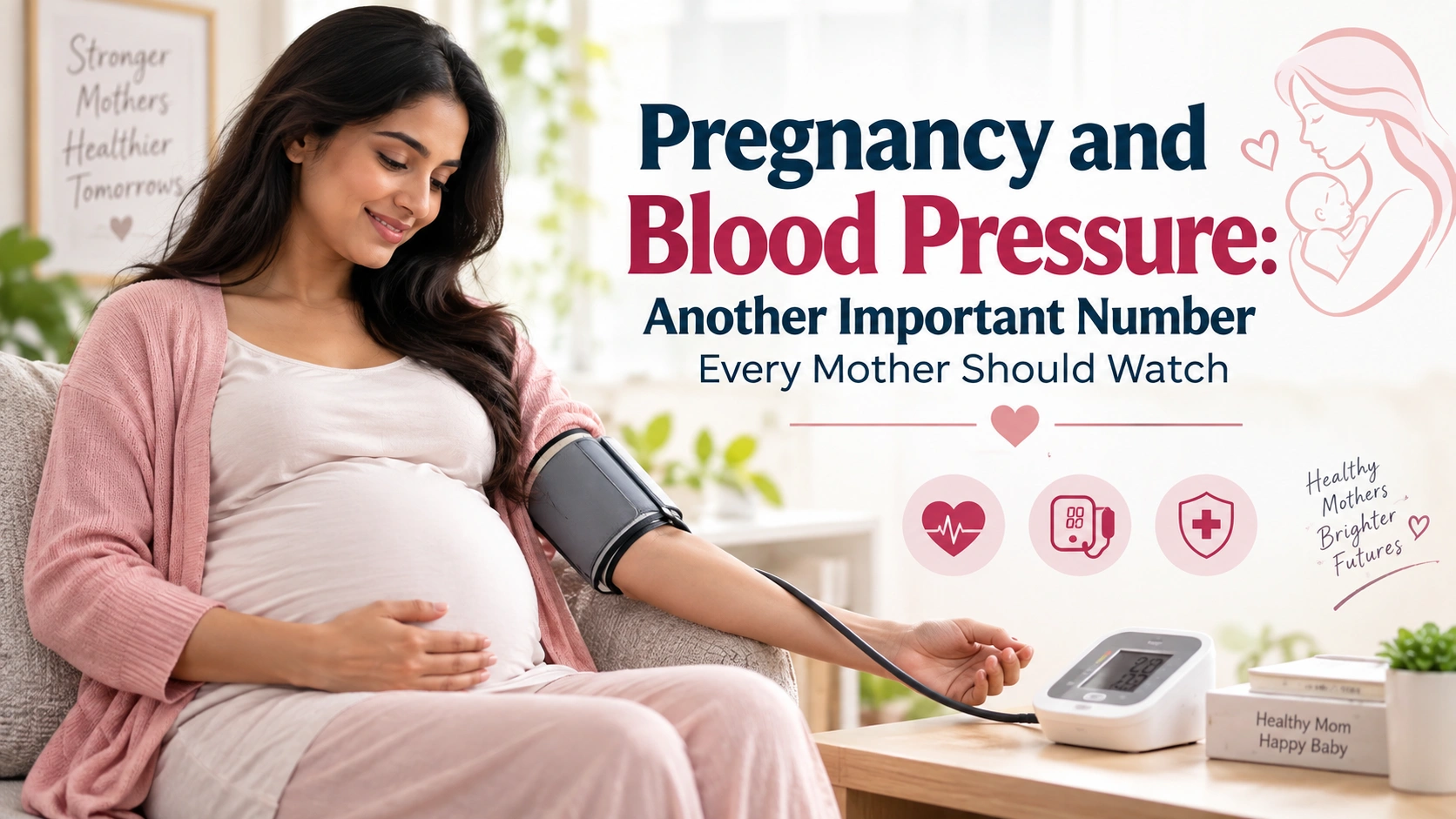
Pregnancy brings many numbers into focus—weeks of pregnancy, ultrasound measurements, blood tests and the baby’s growth. But there is another number that deserves regular attention: blood pressure.
High blood pressure during pregnancy can sometimes develop without obvious symptoms. That is why routine antenatal checks matter. Hypertensive disorders, including pre-eclampsia, can affect both mother and baby, but early detection and appropriate medical care can reduce the risk of serious complications.
What Is Blood Pressure During Pregnancy?
Quick answer: Blood pressure measures the force of blood against artery walls. During pregnancy, healthcare professionals monitor it because a sustained rise can be a sign of a hypertensive disorder.
Blood pressure is recorded using two numbers: systolic pressure (the upper number) and diastolic pressure (the lower number). A reading of 140/90 mmHg or higher is an important threshold used in the assessment of hypertension in pregnancy.
Why Does Blood Pressure Matter During Pregnancy?
Quick answer: Monitoring blood pressure helps identify problems early, including pre-eclampsia, a pregnancy-related condition that can become serious if not detected and managed.
Pre-eclampsia typically develops after 20 weeks of pregnancy and may affect multiple organs. It can also increase risks such as preterm birth and fetal growth restriction.
What Is Pre-Eclampsia?
Quick answer: Pre-eclampsia is a hypertensive disorder that usually occurs after 20 weeks of pregnancy and can involve high blood pressure and signs of organ involvement, commonly detected through urine or blood tests.
WHO reports that pre-eclampsia affects approximately 3–8% of women who give birth worldwide. It can progress to eclampsia, which involves seizures and can be life-threatening.
Can High Blood Pressure Have No Symptoms?
Quick answer: Yes. A pregnant woman can have high blood pressure without feeling unwell, which is one reason regular antenatal monitoring is important.
Some women with pre-eclampsia may have symptoms such as headache, visual disturbances or upper abdominal pain, while others may not notice anything unusual.
Practical tip: Don’t rely only on how you feel. Keep your scheduled pregnancy check-ups.
What Blood Pressure Number Is Concerning?
| Blood pressure reading | What it means |
|---|---|
| Below 140/90 mmHg | Generally below the hypertension threshold used in pregnancy |
| 140/90 mmHg or higher | Requires clinical assessment and appropriate follow-up |
| 160/110 mmHg or higher | Severe hypertension and requires urgent medical attention |
A single reading should not be interpreted in isolation. Your healthcare professional may repeat the measurement and assess symptoms, urine protein and other findings. WHO identifies 160/110 mmHg or higher as severe hypertension in the context of pregnancy-related hypertensive disorders. (World Health Organization)
When Should You Seek Urgent Care?
Quick answer: Severe headache, vision changes, severe upper abdominal pain, significant swelling of the face or hands, or very high blood pressure during pregnancy should be assessed promptly.
Possible warning signs of pre-eclampsia include:
- Severe or persistent headache
- Blurred vision or seeing spots
- Upper abdominal pain
- Nausea or vomiting later in pregnancy
- Swelling of the hands or face
- Persistent high blood pressure
Do not wait for a routine appointment if you develop concerning symptoms.
Who May Have a Higher Risk?
Quick answer: Some pregnancy factors and existing health conditions can increase the likelihood of pre-eclampsia.
Risk factors identified by WHO include first pregnancy, multiple pregnancy, obesity, pre-existing hypertension, diabetes, kidney disease and a family history of pre-eclampsia. Having a risk factor does not mean that pre-eclampsia will definitely develop.
How Is Blood Pressure Checked?
Quick answer: Blood pressure is measured using a cuff placed around the upper arm. Accurate measurement and appropriate follow-up are important during pregnancy.
Healthcare professionals may also check urine for protein and order blood tests or other assessments when clinically indicated. WHO has also developed resources supporting self-monitoring of blood pressure during pregnancy in appropriate settings.
If you monitor at home, ask your healthcare professional which device, technique and measurement schedule are appropriate for you.
Can Pre-Eclampsia Be Prevented?
Quick answer: There is no guaranteed way to prevent pre-eclampsia, but early and consistent antenatal care helps identify risk and detect problems sooner.
WHO recommends regular blood-pressure monitoring and appropriate assessment during pregnancy. For women at increased risk, clinicians may recommend interventions such as low-dose aspirin or calcium supplementation in specific circumstances. These should not be started without medical advice.
Why Antenatal Visits Matter
Routine pregnancy appointments are not simply check-ins about the baby. They provide opportunities to monitor the mother’s blood pressure, assess symptoms and identify conditions that may need treatment.
This is particularly important because hypertensive disorders of pregnancy are associated with serious maternal and newborn complications. WHO estimates that hypertensive disorders account for around 16% of maternal deaths globally.
What Can Mothers Do Every Day?
There is no single home remedy that replaces medical monitoring. Instead:
- Attend scheduled antenatal appointments.
- Know your blood-pressure readings.
- Take prescribed medicines exactly as directed.
- Tell your healthcare professional about previous hypertension or pregnancy complications.
- Report unusual symptoms promptly.
- Don’t start aspirin, calcium or other supplements specifically for pre-eclampsia prevention without professional guidance.
Blood Pressure in Pregnancy: What to Remember
Blood pressure is one of the simplest numbers to measure during pregnancy, but it can provide important information about maternal health.
140/90 mmHg or higher needs clinical assessment, while 160/110 mmHg or higher is severe hypertension requiring urgent attention. Symptoms such as severe headache, visual changes or upper abdominal pain also warrant prompt medical assessment.
Most importantly, don’t diagnose yourself from one number. Your obstetrician, doctor or midwife can interpret your blood pressure alongside your pregnancy stage, symptoms and other test results.
Pregnancy and Blood Pressure: Frequently Asked Questions
What is high blood pressure during pregnancy?
High blood pressure during pregnancy generally refers to a blood-pressure reading of 140/90 mmHg or higher, assessed according to clinical criteria. It can occur with or without symptoms and requires appropriate medical evaluation.
What is pre-eclampsia?
Pre-eclampsia is a pregnancy-related hypertensive disorder that typically develops after 20 weeks and can involve high blood pressure and signs of organ involvement.
Is 140/90 dangerous during pregnancy?
A reading of 140/90 mmHg or higher is an important threshold and should be assessed by a healthcare professional. It does not by itself tell you the severity or diagnosis.
Is 160/110 blood pressure dangerous during pregnancy?
Yes. 160/110 mmHg or higher is considered severe hypertension in pregnancy and requires urgent medical assessment.
Can pre-eclampsia happen without symptoms?
Yes. Some women may have few or no noticeable symptoms, which makes regular antenatal blood-pressure and other assessments important.
What should I do if I have high blood pressure during pregnancy?
Contact your maternity care team or healthcare professional for assessment. If your reading is 160/110 mmHg or higher, or you have severe headache, vision changes, upper abdominal pain or other concerning symptoms, seek urgent medical care.
Medical Content Note
This article is for health education and does not replace prenatal care or individual medical advice. Pregnancy-related blood pressure concerns should be evaluated by a qualified healthcare professional.
Memorable takeaway: During pregnancy, don’t just count the weeks—keep an eye on the numbers that help protect both mother and baby.