Introduction
Twenty-eight-year-old Rahul worked long hours in Bengaluru’s IT sector. His routine included skipping breakfast, consuming fast food, sitting for over ten hours daily, and sleeping late. He rarely exercised because he believed he was still “too young” to worry about health problems.
During a routine medical check-up, an ultrasound revealed something unexpected—Fatty Liver Disease.
Rahul had no pain, no major symptoms, and no history of alcohol consumption.
His story reflects a growing health concern affecting thousands of young adults across India.
Healthcare professionals are witnessing an increasing number of individuals in their 20s and 30s being diagnosed with fatty liver disease, largely due to unhealthy lifestyles, obesity, insulin resistance, and metabolic disorders.
The encouraging news is that fatty liver disease can often be prevented and, in its early stages, improved through healthy lifestyle changes and timely medical care.
What Is Fatty Liver Disease?
Fatty liver disease occurs when excess fat accumulates inside liver cells. While a small amount of fat is normal, excessive fat can interfere with liver function and increase the risk of inflammation and long-term liver damage.
Detailed Explanation
The liver performs more than 500 essential functions, including:
- Removing toxins
- Producing proteins
- Supporting digestion
- Regulating metabolism
- Storing vitamins
- Processing nutrients
When too much fat builds up inside the liver, these vital functions may gradually become impaired.
Types of Fatty Liver Disease
| Type | Cause | Common Age Group |
|---|---|---|
| Non-Alcoholic Fatty Liver Disease (NAFLD) | Obesity, diabetes, unhealthy diet | Young adults & middle-aged adults |
| Alcohol-Related Fatty Liver Disease | Excess alcohol consumption | Adults |
| Metabolic Dysfunction-Associated Steatotic Liver Disease (MASLD) | Associated with obesity and metabolic syndrome | Increasingly common in young adults |
Among young adults in India, non-alcohol-related fatty liver disease is becoming increasingly common due to sedentary lifestyles and poor dietary habits.
Why Is Fatty Liver Disease Increasing in Young Adults?
Quick Answer
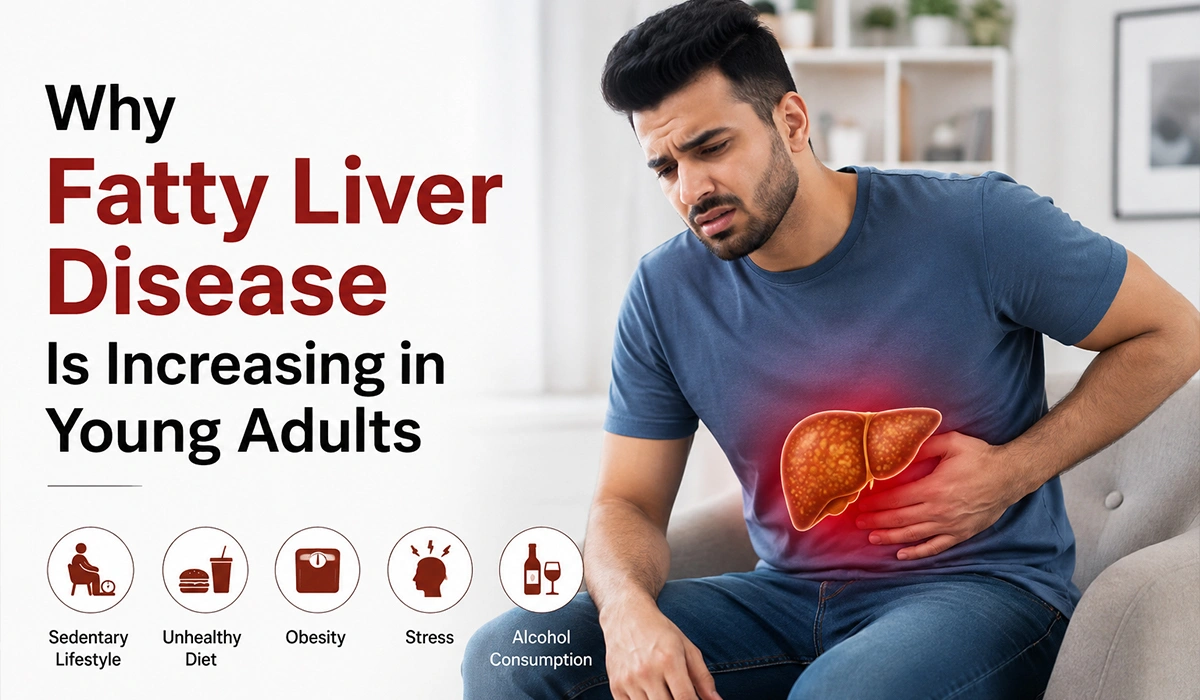
The rise in fatty liver disease among young adults is linked to unhealthy eating habits, reduced physical activity, obesity, prolonged sitting, stress, poor sleep, insulin resistance, and increasing rates of metabolic syndrome.
1. Sedentary Lifestyle
Today’s generation spends more time:
- Working on laptops
- Watching OTT platforms
- Gaming
- Using smartphones
- Sitting for prolonged periods
Less physical activity means fewer calories are burned, allowing fat to accumulate in the liver over time.
Practical Tip
Aim for at least 30–45 minutes of moderate physical activity most days of the week.
2. Processed Food Consumption
Many young adults consume:
- Burgers
- Pizza
- Instant noodles
- Packaged snacks
- Sugary beverages
- Bakery products
These foods are often high in:
- Refined carbohydrates
- Saturated fats
- Added sugars
- Excess calories
Regular consumption may contribute to weight gain, insulin resistance, and fat accumulation in the liver.
3. Sugary Drinks
Soft drinks, energy drinks, packaged fruit juices, and sweetened beverages contain high amounts of added sugar, particularly fructose.
Excessive sugar intake encourages the liver to convert sugar into fat, increasing the risk of fatty liver disease.s
4. Rising Obesity in India
Obesity has become increasingly common among adolescents and young adults.
Excess body fat—especially around the abdomen—is strongly associated with fatty liver disease.
Even individuals who appear slim may develop “lean fatty liver” if they have unhealthy eating habits and low muscle mass.s
5. Insulin Resistance
Insulin resistance occurs when the body’s cells respond poorly to insulin.
As a result:
- Blood sugar levels rise.
- The liver produces more fat.
- Fat accumulates in liver cells.
- The risk of type 2 diabetes increases.
Insulin resistance is considered one of the leading contributors to fatty liver disease.s
6. Poor Sleep Habits
Modern lifestyles often include:
- Late-night work
- Social media scrolling
- Irregular sleep schedules
- Inadequate sleep duration
Poor sleep may affect metabolism, hormone regulation, appetite, and body weight, all of which can contribute to liver fat accumulation.
Expert Recommendation
Most adults should aim for 7–9 hours of quality sleep each night.s
7. Chronic Stress
Stress influences lifestyle choices by increasing the likelihood of:
- Emotional eating
- Fast food consumption
- Physical inactivity
- Poor sleep
These factors collectively increase the risk of metabolic disorders, including fatty liver disease.s
8. Lack of Regular Health Check-ups
Fatty liver disease often develops silently.
Many individuals discover the condition only during:
- Routine blood tests
- Health check-ups
- Ultrasound examinations
Regular preventive screenings can help detect liver-related issues early.s
Common Symptoms of Fatty Liver Disease
Fatty liver disease often causes no symptoms in its early stages. As the condition progresses, some individuals may experience fatigue, discomfort in the upper right abdomen, unexplained weight changes, or abnormal liver function tests.
Possible Symptoms
- Persistent fatigue
- Feeling weak
- Upper right abdominal discomfort
- Loss of appetite
- Nausea
- Difficulty concentrating
- Unexplained weight loss (advanced cases)
- Elevated liver enzymes on blood tests
Because these symptoms are non-specific, medical evaluation is important for an accurate diagnosis.s
Who Is at Higher Risk?
You may have a higher risk of developing fatty liver disease if you:
- Are overweight or obese
- Have type 2 diabetes
- Have high cholesterol or triglycerides
- Have high blood pressure
- Consume a diet high in processed foods
- Lead a sedentary lifestyle
- Have polycystic ovary syndrome (PCOS)
- Have a family history of metabolic disorders
- Sleep poorly on a regular basis
Fatty Liver Risk Factors Comparison
| Healthy Lifestyle | Increased Risk Lifestyle |
|---|---|
| Regular exercise | Physical inactivity |
| Balanced diet | Frequent fast food |
| Fresh fruits & vegetables | Sugary drinks |
| Adequate sleep | Late-night routines |
| Healthy body weight | Obesity |
| Routine health check-ups | Ignoring preventive care |
| Stress management | Chronic stresss |
Key Takeaways
- Fatty liver disease is becoming increasingly common among young adults.
- Lifestyle habits play a major role in liver health.
- Early stages often have no noticeable symptoms.
- Healthy eating, regular exercise, quality sleep, and routine health check-ups can significantly reduce the risk.
- Early detection offers the best opportunity to manage the condition effectively.
How Is Fatty Liver Disease Diagnosed?
Fatty liver disease is diagnosed using a combination of medical history, physical examination, blood tests, imaging studies, and, in selected cases, additional specialized investigations.
Common Diagnostic Tests
| Test | Purpose |
|---|---|
| Liver Function Test (LFT) | Measures liver enzymes |
| Ultrasound | Detects fat accumulation in the liver |
| FibroScan | Assesses liver stiffness and fibrosis |
| CT Scan / MRI | Provides detailed liver imaging |
| Blood Sugar Test | Identifies diabetes or prediabetes |
| Lipid Profile | Measures cholesterol and triglycerides |
| BMI & Waist Circumference | Evaluates obesity risk |
Regular health check-ups are especially important for individuals with obesity, diabetes, or metabolic syndrome.s
Can Fatty Liver Disease Be Reversed?
Yes. In many individuals, especially during the early stages, fatty liver disease can improve with healthy lifestyle changes, weight management, regular exercise, and appropriate medical guidance.
What Helps Improve Liver Health?
- Healthy weight loss
- Balanced nutrition
- Daily physical activity
- Blood sugar control
- Cholesterol management
- Limiting or avoiding alcohol
- Following medical advice
The earlier fatty liver disease is identified, the greater the opportunity to improve liver health.s
Lifestyle Changes That Support Liver Health
Healthy lifestyle habits remain the cornerstone of managing fatty liver disease. Small, consistent changes often have a significant positive impact over time.
Recommended Lifestyle Habits
Eat a Balanced Diet
Choose:
- Fresh fruits
- Green vegetables
- Whole grains
- Lean protein
- Low-fat dairy
- Healthy fats
Limit:
- Sugary drinks
- Processed foods
- Fried foods
- Refined carbohydrates
- Excess sweets
Exercise Regularly
Aim for:
- 150 minutes of moderate exercise weekly
- Brisk walking
- Cycling
- Swimming
- Jogging
- Yoga
- Strength training twice weekly
Regular exercise helps improve metabolism and supports healthy liver function.s
Maintain a Healthy Weight
Even modest weight reduction may help decrease liver fat and improve overall metabolic health.
Focus on gradual, sustainable lifestyle changes rather than rapid weight-loss methods.s
Get Enough Sleep
Adults generally benefit from:
- 7–9 hours of sleep
- Fixed bedtime routine
- Reduced screen time before bed
- A quiet sleeping environment
Quality sleep supports hormone balance and healthy metabolism.s
Manage Stress
Helpful stress-management techniques include:
- Meditation
- Yoga
- Deep breathing
- Walking outdoors
- Reading
- Spending time with family
Managing stress supports both mental and physical well-being.s
Foods That Support Liver Health
A nutrient-rich diet with fiber, lean protein, healthy fats, fruits, and vegetables supports overall liver health and helps maintain a healthy weight.
| Eat More | Limit |
|---|---|
| Fruits | Sugary drinks |
| Green vegetables | Fast food |
| Oats | White bread |
| Brown rice | Bakery products |
| Lentils | Deep-fried foods |
| Fish | Processed meat |
| Nuts | Chips |
| Olive oil | Excess sweets |
One-Day Liver-Friendly Meal Plan
| Meal | Healthy Choice |
|---|---|
| Breakfast | Oats with fruit & nuts |
| Mid-Morning | Apple or guava |
| Lunch | Brown rice, dal, vegetables & salad |
| Evening Snack | Roasted chana or sprouts |
| Dinner | Grilled paneer/fish/chicken with vegetables |
| Hydration | Water throughout the day |
Exercise Plan for Young Adults
| Exercise | Duration |
|---|---|
| Brisk Walking | 30 minutes |
| Cycling | 30 minutes |
| Swimming | 30–45 minutes |
| Jogging | 20–30 minutes |
| Yoga | 20 minutes |
| Strength Training | 2–3 sessions/week |
Consistency matters more than intensity.
Can Fatty Liver Disease Lead to Complications?
If left unmanaged, fatty liver disease may progress to more serious liver conditions. Early diagnosis and healthy lifestyle changes can help reduce this risk.
Possible Complications
- Liver inflammation
- Liver fibrosis
- Cirrhosis
- Reduced liver function
- Increased cardiovascular risk
- Type 2 diabetes progression
Regular follow-up with a healthcare professional is important for ongoing monitoring.
Myths vs Facts
| Myth | Fact |
|---|---|
| Only alcohol causes fatty liver. | Fatty liver can occur without alcohol use. |
| Only overweight people get fatty liver. | Lean individuals can also develop it. |
| Fatty liver always causes pain. | Many people have no symptoms. |
| Young adults don’t get fatty liver. | Cases are increasing in people in their 20s and 30s. |
| Fatty liver cannot improve. | Early stages often improve with healthy lifestyle changes. |
Why Fatty Liver Disease Is Increasing in India
Urban lifestyles, increasing obesity, sedentary jobs, processed food consumption, and rising diabetes rates have contributed to more cases of fatty liver disease among young adults in India.
Contributing Factors
- Longer working hours
- Fast-food culture
- Screen-based lifestyles
- Reduced physical activity
- Poor sleep habits
- Increased stress
- High consumption of sugary beverages
Early awareness and preventive healthcare are becoming increasingly important across India.
Tips to Prevent Fatty Liver Disease
- Maintain a healthy body weight.
- Exercise regularly.
- Eat home-cooked meals more often.
- Drink enough water.
- Limit sugary beverages.
- Reduce processed foods.
- Avoid smoking and tobacco.
- Limit alcohol intake.
- Sleep 7–9 hours each night.
- Schedule regular health check-ups.
- Manage stress effectively.
- Monitor blood sugar and cholesterol if advised.
Real-Life Example
A 30-year-old marketing professional in Delhi was diagnosed with early-stage fatty liver during a routine health check-up. After consulting a healthcare professional, he adopted healthier eating habits, began walking daily, improved his sleep routine, and gradually lost weight over several months. Follow-up evaluations showed improvement in his liver health, highlighting the importance of early diagnosis and consistent lifestyle changes.
Why Fatty Liver Disease Is Increasing in Young Adults – Frequently Asked Questions
1. What is fatty liver disease?
Fatty liver disease is a condition in which excess fat builds up in the liver. In its early stages, it often causes no symptoms but can affect liver health if left unmanaged.
2. Why is fatty liver disease increasing in young adults?
The rise is largely linked to sedentary lifestyles, unhealthy eating habits, obesity, high sugar intake, poor sleep, stress, and increasing rates of diabetes and metabolic syndrome.
3. Can non-drinkers develop fatty liver disease?
Yes. Non-Alcoholic Fatty Liver Disease (NAFLD) can occur in people who drink little or no alcohol. It is commonly associated with obesity, insulin resistance, and unhealthy lifestyle habits.
4. What are the early symptoms of fatty liver disease?
Many people have no symptoms initially. Some may experience fatigue, weakness, discomfort in the upper right abdomen, or abnormal liver function test results.
5. Who is at higher risk of developing fatty liver disease?
People who are overweight, have type 2 diabetes, high cholesterol, high blood pressure, metabolic syndrome, or a sedentary lifestyle are at greater risk.
6. Can fatty liver disease be reversed?
In many cases, early-stage fatty liver disease can improve with healthy eating, regular exercise, weight management, and guidance from a healthcare professional.
7. Which foods are good for fatty liver?
A balanced diet including fruits, vegetables, whole grains, lean proteins, legumes, nuts, and healthy fats can support overall liver health.
8. Which foods should people with fatty liver limit?
It is generally advisable to limit sugary drinks, processed foods, fried foods, refined carbohydrates, excessive sweets, and foods high in saturated fats.
9. How is fatty liver disease diagnosed?
Diagnosis may include a medical history, physical examination, liver function blood tests, ultrasound, FibroScan, or other imaging studies, depending on individual circumstances.
10. Can exercise help reduce fatty liver?
Yes. Regular physical activity supports weight management, improves metabolism, reduces liver fat, and contributes to better overall health.
11. Is fatty liver disease common in India?
Yes. Fatty liver disease is becoming increasingly common in India due to changing lifestyles, increasing obesity, unhealthy dietary habits, and reduced physical activity among young adults.
12. Does fatty liver always cause pain?
No. Most people with early-stage fatty liver disease do not experience pain or noticeable symptoms, making routine health check-ups important.
13. Can people with a normal body weight develop fatty liver disease?
Yes. Some individuals with a normal body weight may develop fatty liver disease due to genetics, poor diet, insulin resistance, or metabolic disorders.
14. How often should I have my liver checked?
People with risk factors such as obesity, diabetes, high cholesterol, or metabolic syndrome should discuss appropriate screening intervals with their healthcare professional.
15. When should I consult a healthcare professional for fatty liver disease?
Seek medical advice if you have persistent fatigue, unexplained abdominal discomfort, abnormal liver test results, obesity, diabetes, or other risk factors for liver disease. Early evaluation can help guide appropriate management.