A middle-aged father in Texas ignores his rising blood pressure for years. A young professional in Mumbai skips annual checkups because she feels “fine.” An elderly woman in London struggles to recover after surgery because no one focused on her rehabilitation plan.
These stories are common. And they all share one problem — healthcare often begins too late.
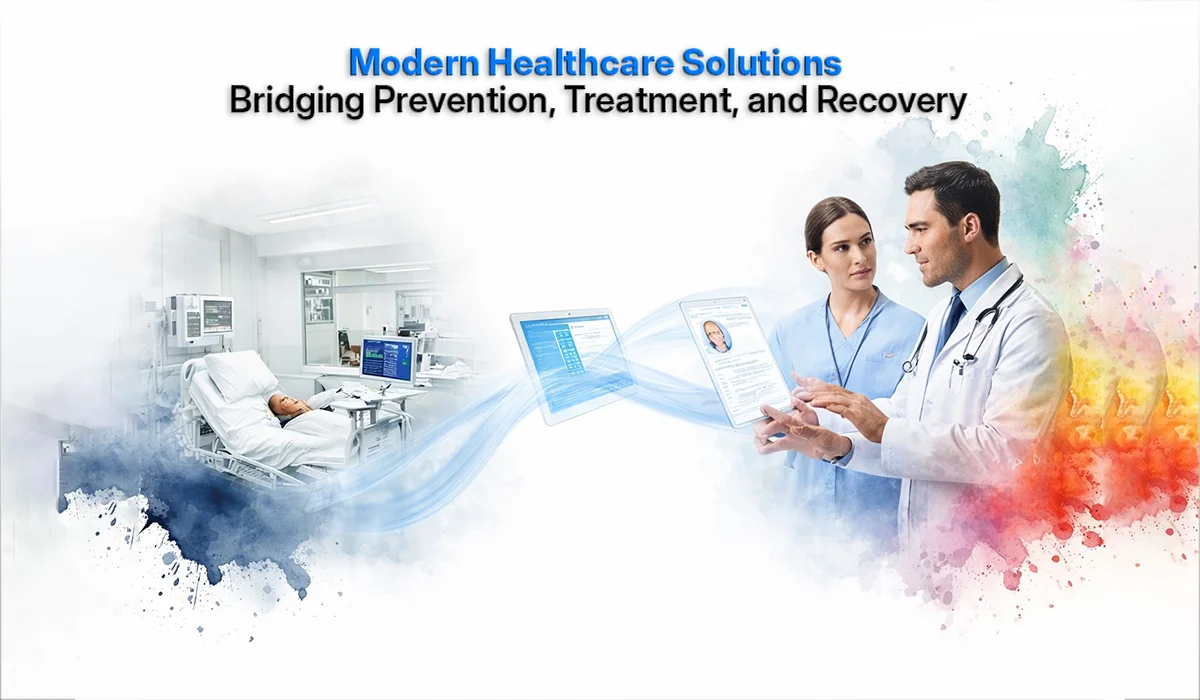
That’s why Modern Healthcare Solutions: Bridging Prevention, Treatment, and Recovery are changing the way the world thinks about health. Instead of focusing only on treating illness, modern systems now connect three essential pillars:
- Prevention
- Timely treatment
- Long-term recovery
From the United States to India and beyond, healthcare is evolving into a more integrated, patient-centered model. This article explores how modern healthcare solutions are transforming lives — and why this shift matters now more than ever.
What Are Modern Healthcare Solutions?
Modern Healthcare Solutions: Bridging Prevention, Treatment, and Recovery refer to integrated systems that combine:
- Preventive care
- Advanced diagnostics
- Evidence-based treatment
- Rehabilitation and long-term wellness
Unlike traditional models that focus mainly on disease treatment, modern healthcare emphasizes the full health journey.
Core Features of Modern Healthcare Systems
- Digital health tools (telemedicine, remote monitoring)
- Preventive screenings and early detection
- Personalized medicine
- Multidisciplinary care teams
- Data-driven decision making
In the U.S., preventive healthcare programs have significantly reduced cardiovascular disease mortality. In India, digital health initiatives are expanding access to rural populations.
Healthcare is no longer reactive — it is proactive.
Why Prevention Is the Foundation of Modern Healthcare
Prevention saves lives — and money.
According to the CDC, nearly 60% of adults in the U.S. live with at least one chronic condition. Many of these conditions are preventable.
Examples of Preventive Care
- Vaccinations
- Routine blood tests
- Cancer screenings
- Lifestyle counseling
- Nutritional guidance
In India, rising diabetes rates have made preventive screening critical. Early diagnosis reduces complications and long-term treatment costs.
Prevention is the first bridge in Modern Healthcare Solutions: Bridging Prevention, Treatment, and Recovery.
Early Detection: The Power of Timely Intervention
Early detection often means the difference between simple treatment and complex surgery.
Tools That Support Early Diagnosis
- AI-powered imaging
- Genetic testing
- Wearable health monitors
- Mobile diagnostic labs
For example, wearable devices now track heart rate irregularities. These tools alert patients before serious events occur.
In both developed and developing countries, technology is narrowing the gap between symptoms and diagnosis.
Treatment in the Era of Personalized Medicine
Treatment today is more precise than ever.
Modern healthcare solutions use:
- Genomic data
- Patient history analytics
- Targeted therapies
- Minimally invasive procedures
In oncology, personalized cancer treatment plans are based on tumor genetics. This improves survival rates and reduces side effects. Similarly, in orthopedic care, minimally invasive procedures shorten hospital stays and improve recovery speed. The treatment phase is no longer isolated — it connects directly to prevention and recovery planning.
The Often Ignored Stage: Recovery and Rehabilitation
Recovery is not just about discharge from the hospital.
True healing includes:
- Physical therapy
- Nutritional rehabilitation
- Mental health support
- Chronic disease management
Post-surgical rehabilitation programs in the U.S. have reduced readmission rates. In India, physiotherapy access is improving outcomes in orthopedic patients.
Without structured recovery, treatment alone is incomplete.
Technology Driving Modern Healthcare Solutions
Technology is central to bridging prevention, treatment, and recovery.
Telemedicine
- Expands rural access
- Reduces travel time
- Enables specialist consultations
Artificial Intelligence
- Improves diagnostic accuracy
- Predicts disease risks
- Enhances patient monitoring
Electronic Health Records (EHR)
- Improve continuity of care
- Reduce medical errors
- Support data sharing
These innovations make healthcare more efficient and accessible worldwide.
How Modern Healthcare Solutions Improve Patient Experience
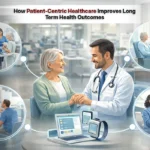
Healthcare is no longer provider-centered. It is patient-centered.
Patients now expect:
- Transparency
- Easy appointment booking
- Clear communication
- Follow-up support
Digital portals allow patients to track lab results, schedule appointments, and consult doctors remotely.
This continuity strengthens trust between providers and patients.
Public Health and Community-Based Care
Modern healthcare goes beyond hospitals.
Community-based programs include:
- Mobile clinics
- Health awareness campaigns
- Vaccination drives
- School health programs
India’s public health outreach programs and the U.S. community wellness initiatives show how preventive care can reach underserved populations.
Healthcare must meet people where they are.
Cost Efficiency and Long-Term Sustainability
Preventive care reduces emergency visits.
Early treatment reduces surgical costs.
Structured recovery reduces readmissions.
According to the World Health Organization, preventive healthcare can significantly lower national healthcare expenditures.
By integrating prevention, treatment, and recovery, healthcare systems become more sustainable.
Global Perspectives: USA and India
United States
- Advanced insurance systems
- Strong preventive screening programs
- High technological integration
India
- Rapid digital health expansion
- Government health schemes (Ayushman Bharat)
- Growing private healthcare sector
Both countries demonstrate that modern healthcare solutions must adapt to local needs while maintaining global standards.
Challenges in Implementing Modern Healthcare Solutions
Despite progress, challenges remain:
- Rural healthcare gaps
- Healthcare workforce shortages
- Data privacy concerns
- High treatment costs
Bridging prevention, treatment, and recovery requires collaboration between governments, private sectors, and communities.
Conclusion: A Future Built on Connection
Healthcare is no longer about reacting to illness. It is about building systems that prevent disease, treat effectively, and support recovery. Modern Healthcare Solutions: Bridging Prevention, Treatment, and Recovery represent a shift toward holistic, integrated, and patient-focused care. From New York to New Delhi, the message is clear: Health must be continuous — not fragmented. The future of healthcare belongs to systems that connect every stage of the journey.
Web Stories