Introduction: One Choice at a Time, a Lifetime in the Making
What if the most powerful medicine you’ll ever take isn’t found in a pill bottle—but in your daily routine?
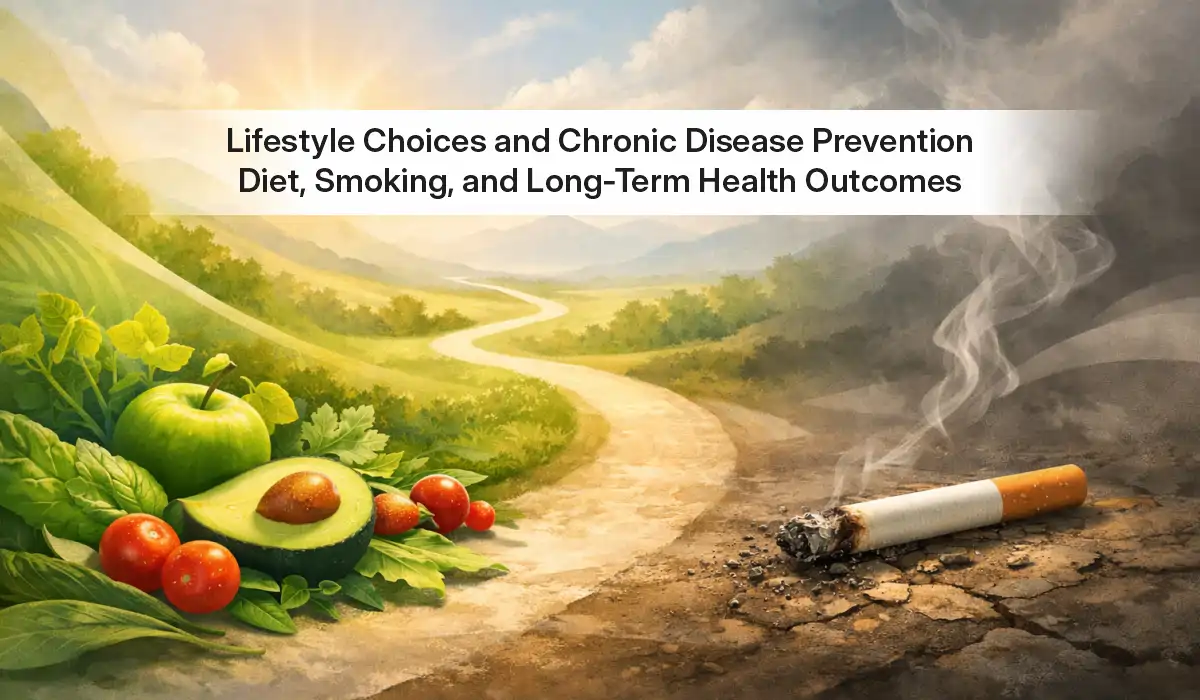
Every morning, millions of people wake up and make choices without a second thought: what to eat, whether to move, whether to smoke, whether to rest. These small decisions may feel ordinary, but over time, they quietly shape our future health. In the United States and around the world, chronic diseases such as heart disease, diabetes, cancer, and respiratory conditions have become the leading causes of illness and death. What’s striking is that many of these conditions share common roots.
This is where lifestyle choices and chronic disease prevention intersect. The food we eat, the habits we form, and the risks we take—or avoid—can significantly reduce or increase our chances of living a long, healthy life.
This article explores how diet, smoking, physical activity, and other lifestyle factors influence long-term health outcomes. Written for a general audience, it blends science with real-world insight to show why prevention works best when healthy choices become part of everyday life.
Understanding Lifestyle Choices and Chronic Disease Prevention
Lifestyle choices and chronic disease prevention refers to the intentional actions individuals take to reduce their risk of long-term, non-communicable diseases. Chronic diseases develop slowly, often over years or decades, and are influenced heavily by behavior rather than infection
These include conditions such as:
- Heart disease and stroke
- Type 2 diabetes
- Certain cancers
- Chronic lung disease
- Obesity and metabolic disorders
Unlike acute illnesses, chronic diseases are rarely caused by a single factor. Instead, they result from ongoing exposure to unhealthy habits—poor nutrition, smoking, inactivity, stress, and lack of preventive care.
The good news is that many of these diseases are preventable or manageable when lifestyle choices support long-term health.
Why Chronic Diseases Dominate Global Health Today
Across the United States, Europe, Asia, and developing regions, chronic diseases account for the majority of healthcare costs and lost productivity. Longer lifespans, urban living, processed foods, and sedentary lifestyles have contributed to this shift.
Modern medicine has improved survival rates, but treatment alone cannot solve the chronic disease crisis. Prevention must start long before symptoms appear.
This reality has brought renewed focus to lifestyle choices and chronic disease prevention as a cornerstone of public health.
The Role of Diet in Long-Term Health Outcomes
How Food Shapes Disease Risk
Diet is one of the most powerful tools for chronic disease prevention. What we eat affects inflammation, blood sugar, cholesterol levels, and body weight—all key factors in disease development.
Diets high in processed foods, added sugars, and unhealthy fats are strongly linked to:
- Cardiovascular disease
- Type 2 diabetes
- Obesity
- Certain cancers
On the other hand, nutrient-rich diets help protect the body at a cellular level.
Dietary Patterns That Support Chronic Disease Prevention
Research consistently shows that the following dietary approaches support lifestyle choices and chronic disease prevention:
- Diets rich in fruits and vegetables
- Whole grains instead of refined grains
- Lean proteins such as legumes, fish, and poultry
- Healthy fats from nuts, seeds, and olive oil
Rather than focusing on restriction, successful dietary habits emphasize balance and consistency.
Smoking and Its Impact on Chronic Disease Risk
Smoking as a Leading Preventable Cause of Disease
Smoking remains one of the strongest contributors to chronic disease worldwide. It damages nearly every organ in the body and increases the risk of:
- Lung cancer
- Heart disease
- Stroke
- Chronic obstructive pulmonary disease (COPD)
No level of smoking is considered safe.
How Quitting Smoking Improves Long-Term Health Outcomes
One of the most powerful steps in lifestyle choices and chronic disease prevention is smoking cessation. Benefits begin almost immediately:
- Heart rate and blood pressure improve within days
- Lung function begins to recover
- Cancer risk decreases over time
Former smokers who quit earlier in life see the greatest long-term benefit, but quitting at any age improves outcomes.
Physical Activity: A Foundation of Disease Prevention
Why Movement Matters
Regular physical activity supports nearly every system in the body. It improves insulin sensitivity, strengthens the heart, supports mental health, and helps maintain a healthy weight.
Inactivity, by contrast, increases the risk of:
- Heart disease
- Diabetes
- Certain cancers
- Depression
How Much Activity Is Enough?
Health experts recommend:
- At least 150 minutes of moderate activity per week
- Muscle-strengthening activities twice weekly
Even small increases in movement can significantly support lifestyle choices and chronic disease prevention.
Weight Management and Metabolic Health
Excess body weight increases strain on the heart, joints, and metabolic system. Obesity is closely linked with:
- Type 2 diabetes
- Hypertension
- Fatty liver disease
- Cardiovascular disease
Healthy weight management is not about extremes. Sustainable changes—balanced nutrition, physical activity, and stress management—are more effective than short-term diets.
Stress, Sleep, and Their Hidden Role in Chronic Disease
Chronic Stress and Inflammation
Long-term stress triggers hormonal changes that promote inflammation, high blood pressure, and insulin resistance. Over time, this increases the risk of chronic illness.
Sleep as a Protective Factor
Poor sleep is associated with:
- Weight gain
- Diabetes
- Cardiovascular disease
Adequate sleep supports immune function and metabolic balance, reinforcing lifestyle choices and chronic disease prevention.
Alcohol Consumption and Health Outcomes
Moderate alcohol consumption may fit into some lifestyles, but excessive intake raises the risk of:
- Liver disease
- Certain cancers
- Heart problems
Reducing alcohol intake is an often overlooked but important preventive step.
Preventive Screenings and Early Detection
Lifestyle choices work best when combined with preventive healthcare. Screenings help detect conditions early, when treatment is most effective.
Examples include:
- Blood pressure and cholesterol checks
- Diabetes screening
- Cancer screenings based on age and risk
Early detection strengthens the impact of lifestyle choices and chronic disease prevention.
Socioeconomic and Environmental Influences on Lifestyle Choices
Access to healthy food, safe spaces for exercise, education, and healthcare significantly influence lifestyle decisions. Public health efforts must address these broader factors to support population-wide disease prevention.
Technology and Modern Tools Supporting Healthy Choices
Digital health tools, fitness trackers, nutrition apps, and telehealth services are helping people monitor habits and stay engaged in long-term health management.
These tools make lifestyle choices and chronic disease prevention more accessible and measurable.
Cultural Perspectives on Lifestyle and Prevention
Different cultures approach food, movement, and wellness in unique ways. Successful prevention strategies respect cultural preferences while promoting evidence-based practices.
Conclusion: Prevention Is a Daily Investment
Chronic diseases don’t appear overnight. They develop slowly, shaped by years of choices—some intentional, others habitual. The evidence is clear: lifestyle choices and chronic disease prevention work best together.
Healthy eating, physical activity, smoking cessation, stress management, and preventive care form a powerful defense against long-term illness. While no single choice guarantees perfect health, each positive step strengthens the body’s ability to resist disease.
Long-term health is not about perfection. It’s about consistency, awareness, and choosing prevention today for a healthier tomorrow.
If you found this information valuable, explore related resources, talk with healthcare professionals, and consider which small changes could make the biggest difference in your own life.
Latest Post
- Scientists Use AI to Design Viruses: What This Breakthrough Means for Medicine

- Daily Fruit Juice and Mental Health: What the Latest Study Says

- How Lung Cancer Screening in India Can Identify Risk Beyond Smoking

- Better Hydration Starts Here: 10 Common Mistakes and Simple Fixes

- From the Laboratory to the Clinic: The Rise of Precision Cancer Medicine

- Delhi Flu Alert: What the Rise in H1N1 Cases Means for Families

Web Stories