Introduction
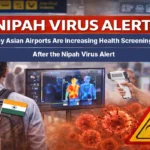
Nipah Virus in India has once again emerged as a critical public health concern, reminding the country of the persistent threat posed by zoonotic diseases. With a high fatality rate and no definitive antiviral treatment, Nipah virus outbreaks test not only medical readiness but also surveillance, communication, and community response systems.
As someone who closely tracks infectious disease preparedness and public health policy in India, it is evident that each Nipah outbreak reveals both progress and persistent gaps. The latest Nipah virus outbreak in India is not just a medical event—it is a stress test for early detection systems, hospital readiness, and coordinated response across state and central agencies.
Understanding what this outbreak means for public health preparedness in India is essential for policymakers, healthcare professionals, and the general public alike.
What Is Nipah Virus and Why Is It a Public Health Threat in India?
Nipah virus is a zoonotic virus transmitted from animals to humans, with fruit bats identified as the primary natural reservoir. Human infections can occur through contaminated food, direct animal contact, or human-to-human transmission in healthcare or household settings.
The concern around Nipah Virus in India stems from three key factors:
- High mortality rate, often reported between 40–75%
- Lack of specific treatment or licensed vaccine
- Potential for rapid spread in densely populated areas
India has experienced multiple Nipah outbreaks since 2018, primarily concentrated in southern states. Each episode reinforces the virus’s capacity to re-emerge despite containment efforts.
What Does the Latest Nipah Virus Outbreak in India Reveal About Preparedness?
The latest Nipah virus outbreak in India highlights notable improvements in outbreak detection and response. Rapid identification of suspected cases, immediate isolation protocols, and contact tracing indicate a stronger surveillance network than in earlier years.
However, the outbreak also reveals continuing vulnerabilities:
- Heavy dependence on state-level healthcare capacity
- Limited availability of high-containment diagnostic laboratories
- Public anxiety fueled by misinformation on social media
While emergency response mechanisms are activated quickly, long-term preparedness still requires sustained investment rather than reactive measures.
How Prepared Is India’s Healthcare System for Emerging Zoonotic Diseases?
India’s preparedness for emerging infections like Nipah has improved significantly after experiences with COVID-19 and earlier Nipah outbreaks. Hospitals are now faster at implementing infection control protocols, and healthcare workers are better trained in personal protective measures.
That said, public health preparedness in India remains uneven across regions. Urban tertiary hospitals are well-equipped, but rural and semi-urban areas face:
- Shortage of trained infectious disease specialists
- Limited ICU and isolation infrastructure
- Gaps in continuous disease surveillance
The Nipah virus outbreak underscores the need for a uniform national preparedness framework, not just isolated centers of excellence.
Why Surveillance and Early Detection Are Critical for Nipah Virus Control
Early detection is the single most effective tool in controlling Nipah virus spread. Surveillance systems must integrate:
- Human health data
- Animal health monitoring
- Environmental risk indicators
The Nipah Virus in India situation demonstrates the importance of the “One Health” approach, which links human, animal, and environmental health systems. When early warning signs are missed—such as unexplained encephalitis cases or animal deaths—the cost of containment rises sharply.
Strengthening real-time reporting, laboratory turnaround times, and inter-agency data sharing remains a priority for sustainable preparedness.
What Can the Public and Policymakers Learn From This Outbreak?
The latest outbreak offers clear lessons:
For policymakers:
- Invest consistently in public health infrastructure, not only during crises
- Expand high-level diagnostic labs across regions
- Support research into vaccines and therapeutics for Nipah virus
For the public:
- Rely on verified health advisories
- Avoid panic-driven behavior
- Follow infection prevention guidelines during outbreak alerts
Public cooperation, trust in health authorities, and transparent communication are as critical as medical interventions in managing Nipah virus outbreaks.
Conclusion: Why Nipah Virus in India Is a Wake-Up Call for Future Preparedness
Nipah Virus in India is more than a recurring outbreak—it is a reminder that emerging infectious diseases will continue to challenge public health systems. The latest outbreak shows meaningful progress in detection and response, yet it also exposes gaps that require long-term strategic action.
Strengthening surveillance, ensuring equitable healthcare capacity, and adopting a proactive “One Health” approach are essential steps toward resilient public health preparedness in India. The lessons learned today will determine how effectively the country responds to the next emerging threat.
Preparedness is not built during emergencies—it is built between them.
Latest Post
- When Sleep Problems Become a Shared Health Issue: Effects on Couples’ Eating Habits

- The Many Faces of a Sleepless Night: Signs You Shouldn’t Ignore

- The Many Faces of a Sleepless Night: Signs You Shouldn’t Ignore
- AI Analysis of MRI Scans: Understanding Muscle and Body Fat in Multiple Myeloma Patients

- Heart Health May Change in Your Late 30s: What Women Should Know Before Menopause