Introduction
Have you ever picked up a skincare product and wondered, “Can I really trust what’s inside this bottle?”
In today’s beauty market, consumers are more informed than ever. They read ingredient lists. They research brands. They care about safety, transparency, and ethical production. That is why Quality-Controlled Cosmetic Manufacturing Protects Consumer Confidence in ways that go far beyond appearance.
Behind every trusted cosmetic product lies a system of checks, testing, compliance standards, and manufacturing discipline. When done right, it builds long-term trust. When ignored, it damages reputation overnight.
Let’s explore how quality control in cosmetic manufacturing directly influences consumer confidence—and why it matters more today than ever before.
What Is Quality-Controlled Cosmetic Manufacturing?
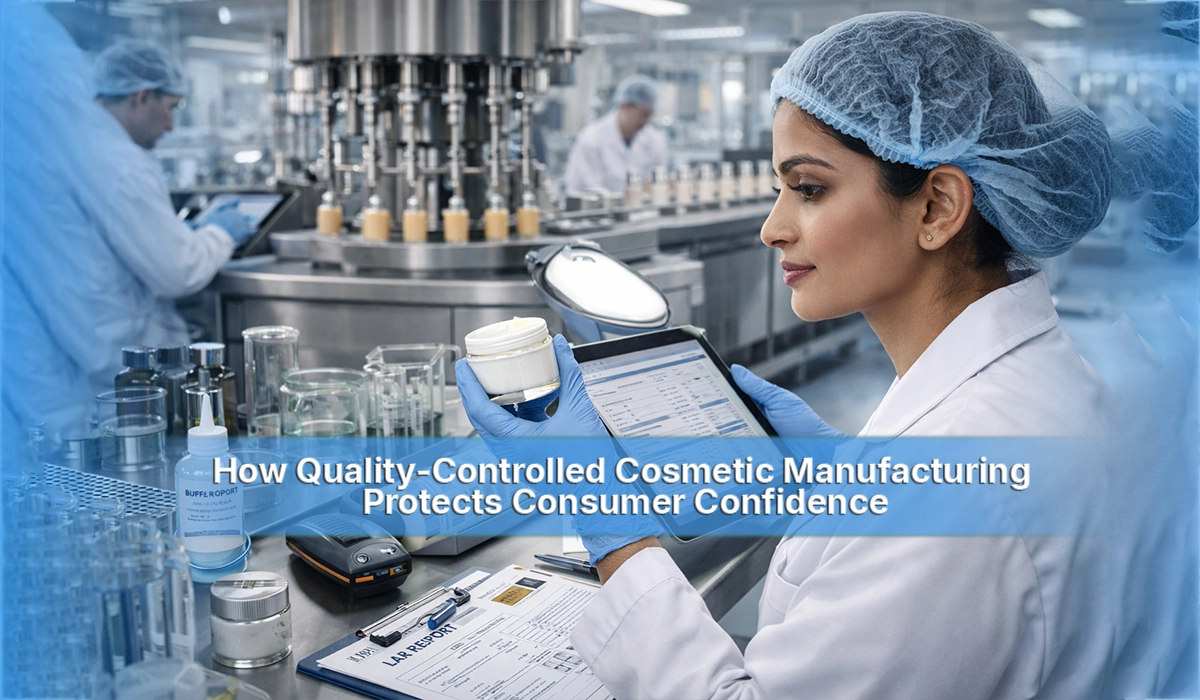
At its core, quality-controlled cosmetic manufacturing refers to a structured production process where every stage—from raw materials to final packaging—is tested, documented, and monitored for safety, consistency, and compliance.
This includes:
- Ingredient verification
- Stability testing
- Microbiological testing
- Batch consistency checks
- Regulatory compliance
- Safe packaging procedures
When companies follow strict quality control in cosmetics, they reduce contamination risks, ensure ingredient accuracy, and maintain product performance across batches.
This is not optional in modern markets like the USA or Europe. It is foundational.
Why Consumer Confidence Matters in the Beauty Industry
Cosmetics are personal. They touch skin. They affect appearance. They influence self-esteem.
Consumer confidence grows when buyers believe:
- The product is safe
- Ingredients are accurately labeled
- Claims are honest
- The brand is transparent
If one product causes irritation or fails quality standards, trust erodes quickly. Social media amplifies both praise and criticism.
That’s why Quality-Controlled Cosmetic Manufacturing Protects Consumer Confidence by preventing avoidable risks before they reach the shelf.
The Growing Demand for Safe Cosmetic Manufacturing Standards
Over the past decade, safety regulations have tightened worldwide.
In the United States:
- The FDA monitors cosmetic safety.
- Brands must ensure products are not adulterated or misbranded.
Globally:
- GMP (Good Manufacturing Practices) certification is increasingly expected.
- Stability and microbial testing are standard requirements.
Consumers now search for:
- “Safe cosmetic manufacturing process”
- “How cosmetics are tested for safety”
- “What does GMP mean in cosmetics?”
This shift reflects a deeper awareness. Buyers want evidence—not marketing promises.
How Quality Control Works in Cosmetic Manufacturing
Raw Material Verification
Before production begins, every ingredient must be tested. This includes checking for purity, contamination, and compliance with safety guidelines.
Without this step, even natural ingredients can introduce bacteria or impurities.
Controlled Production Environment
Manufacturing facilities must maintain:
- Clean air systems
- Controlled temperature
- Hygienic handling processes
- Trained personnel
These steps reduce cross-contamination risks.
Batch Testing and Documentation
Each production batch undergoes:
- Physical stability tests
- Microbial testing
- Texture and color consistency checks
Proper documentation ensures traceability. If a concern arises, the company can identify affected batches quickly.
The Role of GMP in Cosmetic Manufacturing
Good Manufacturing Practices (GMP) provide a framework that standardizes cosmetic production.
GMP ensures:
- Equipment is properly maintained
- Staff are trained
- Procedures are documented
- Safety protocols are enforced
When brands follow GMP cosmetic manufacturing guidelines, they create predictable, repeatable quality.
That predictability builds trust.
Transparency: The Bridge Between Quality and Trust
Quality control alone is not enough. Consumers must know it exists.
Brands that openly communicate:
- Ingredient sourcing
- Testing standards
- Compliance certifications
- Manufacturing audits
create stronger emotional loyalty.
When Quality-Controlled Cosmetic Manufacturing Protects Consumer Confidence, transparency turns quality into reputation.
What Happens When Quality Control Fails?
History shows the consequences:
- Product recalls
- Allergic reactions
- Brand lawsuits
- Social media backlash
- Long-term reputation damage
One contamination incident can undo years of marketing investment.
In contrast, strong quality systems act as preventive shields.
How Quality Control Impacts Brand Reputation
Reputation in the cosmetic industry is fragile.
Consumers often choose brands based on:
- Reviews
- Ingredient transparency
- Manufacturing credibility
- Certifications
When quality systems are visible and reliable, brands enjoy:
- Higher repeat purchase rates
- Stronger retailer partnerships
- Greater global expansion opportunities
In competitive markets, manufacturing discipline becomes a strategic advantage.
The Psychological Side of Consumer Confidence
Trust is not built through ads alone. It is built through consistency. When a consumer buys the same moisturizer three times and receives identical texture, scent, and performance each time, trust deepens. Consistency is the visible outcome of quality-controlled cosmetic manufacturing. Without it, doubt replaces loyalty.
The Future of Cosmetic Manufacturing Quality Standards
Technology is reshaping quality systems.
Modern cosmetic manufacturers use:
- Automated filling systems
- Real-time contamination detection
- Digital batch tracking
- AI-driven formulation testing
These innovations improve precision and reduce human error.
In the coming years, brands that invest in quality infrastructure will likely lead the market.
Real-World Example: A Consumer’s Perspective
Imagine buying a serum that promises hydration. The first bottle works beautifully. The second feels different—thicker texture, strange scent. Even if the issue is minor, doubt creeps in. Now imagine consistent performance every time. That reliability reinforces belief in the brand. This simple example shows how Quality-Controlled Cosmetic Manufacturing Protects Consumer Confidence through repeatable excellence.
The Connection Between Compliance and Global Market Access
Brands seeking international expansion must meet strict regulatory standards.
Compliance helps:
- Enter US markets
- Meet EU cosmetic regulations
- Expand into Asia-Pacific markets
Without documented quality control, expansion becomes difficult. Quality is not just safety—it is access.
Conclusion
In a world where consumers read labels, compare ingredients, and demand transparency, manufacturing quality is no longer hidden behind factory walls. It defines brand credibility. Quality-Controlled Cosmetic Manufacturing Protects Consumer Confidence by ensuring safety, consistency, compliance, and transparency. When brands prioritize quality systems, they do more than produce cosmetics. They protect trust. And in the beauty industry, trust is everything.